MERIDIAN ATELIER · the Wordmark

The order and discipline metric

Conscientiousness

How much order a mind demands.How much of its home must stay hidden.

What is Conscientiousness in home design?

Conscientiousness measures a mind's need for organization and visual order, and sets how much of its home stays aligned, concealed and exact.

The firm's Diagnostic reads it. A high reading calls for flush storage, integrated light and zero-tolerance edges; a low one, for open display, soft upholstery and forgiving materials.

01

What does Conscientiousness measure?

One trait, read twice: as a measure of personality, and as a brief for a home.

In psychology

In psychometrics, Conscientiousness (source, opens in a new tab) measures a person's organization, discipline and goal-directed behavior, and a preference for the planned over the spontaneous. Rooms carry the trait: shown only offices and bedrooms, strangers judged their occupants' conscientiousness with fair accuracy, reading it from neatness and order (Gosling and colleagues, 2002 (source, opens in a new tab)).

In a home

In the firm's design rules, Conscientiousness sets a home's tolerance for visual noise and physical clutter. It decides how much the architecture hides, how exactly its lines align, and whether its materials hold their intended state every day.

On a scale

Every mind sits somewhere along each trait, so the firm measures resonance: how strongly yours answers to Conscientiousness. Two people in one home bring two readings, and the design resolves both.

02

How does the firm read Conscientiousness?

Three questions from the Diagnostic, the conversation that opens every commission. Choose the answer closer to your own.

  1. 01

    The Storage Test

    Entering your kitchen, do you want everything concealed behind flush, floor-to-ceiling cabinetry, or tools, ceramics and appliances on open shelves?

  2. 02

    The Upholstery Test

    Do you choose a tight-back, tailored sofa that keeps its exact shape, or loose, down-filled cushions that rumple with use?

  3. 03

    The Alignment Test

    A grout line runs slightly wider in one corner, where the natural stone varies. Does that read as an error, or as organic character?

The Diagnostic asks these in conversation, and reads all five traits and the household with you.

How the Diagnostic works
03

What does each reading call for?

The two ends of Conscientiousness, side by side: each profile, and the design it calls for.

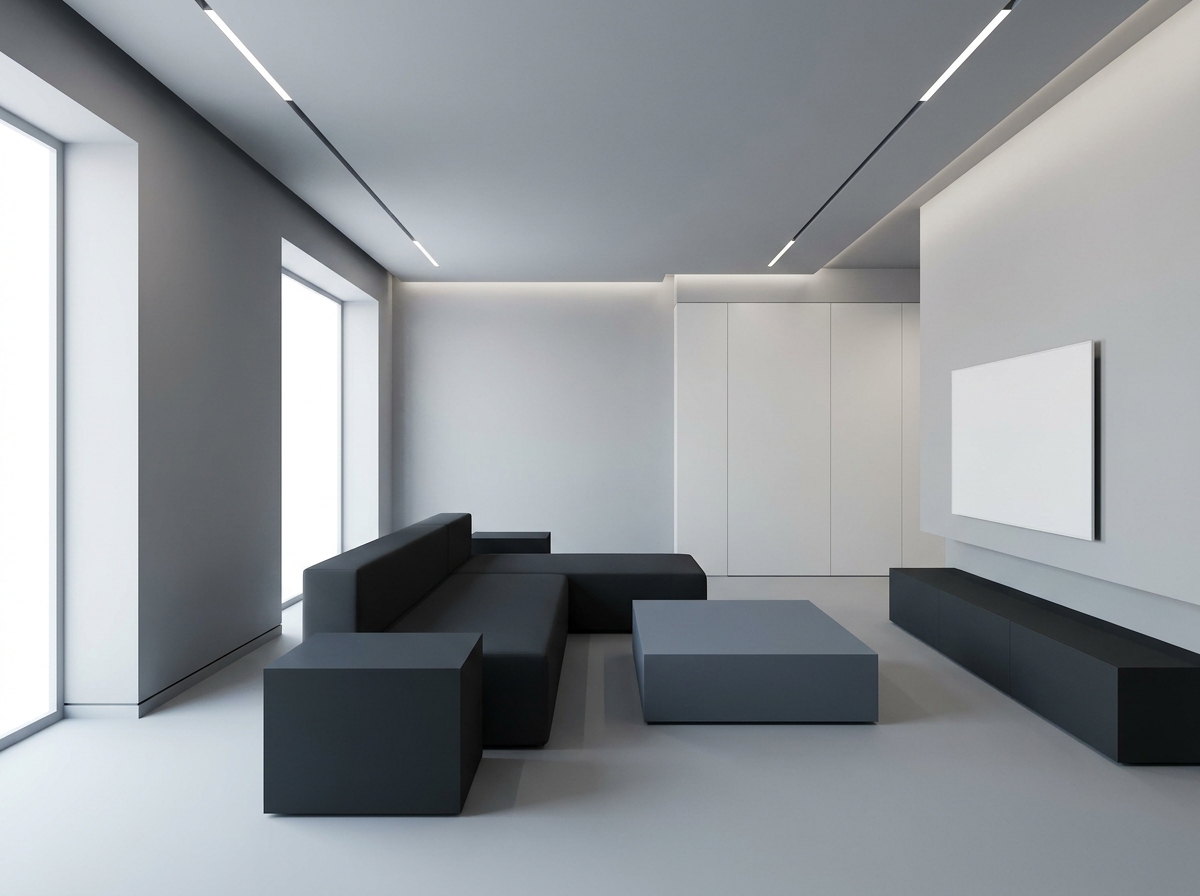
A clay model of a seamless living room with flush baseboards and fully hidden storage (AI-generated)Your answers lean here
High resonance

The Optimizer

Requires an absolute visual grid. Exposed cords, open storage and asymmetric layouts register as a loss of control and run as background stress; the home has to look correct with no daily intervention.

Form & Geometry

Monolithic & Seamless and Crisp & Machined: zero-tolerance edges and reveals

Pattern & Finish

Geometric & Structural on Grid-Based & Symmetrical layouts, such as stack bond

Color & Tone

Restrained palettes: The Minimalist's Edit, The Monochromatic

Light

Concealed & Integrated: coves and mud-in diffusers keep the ceiling plane clean

Materials

Large-format porcelain, engineered quartz, touch-latch doors, panel-ready appliances

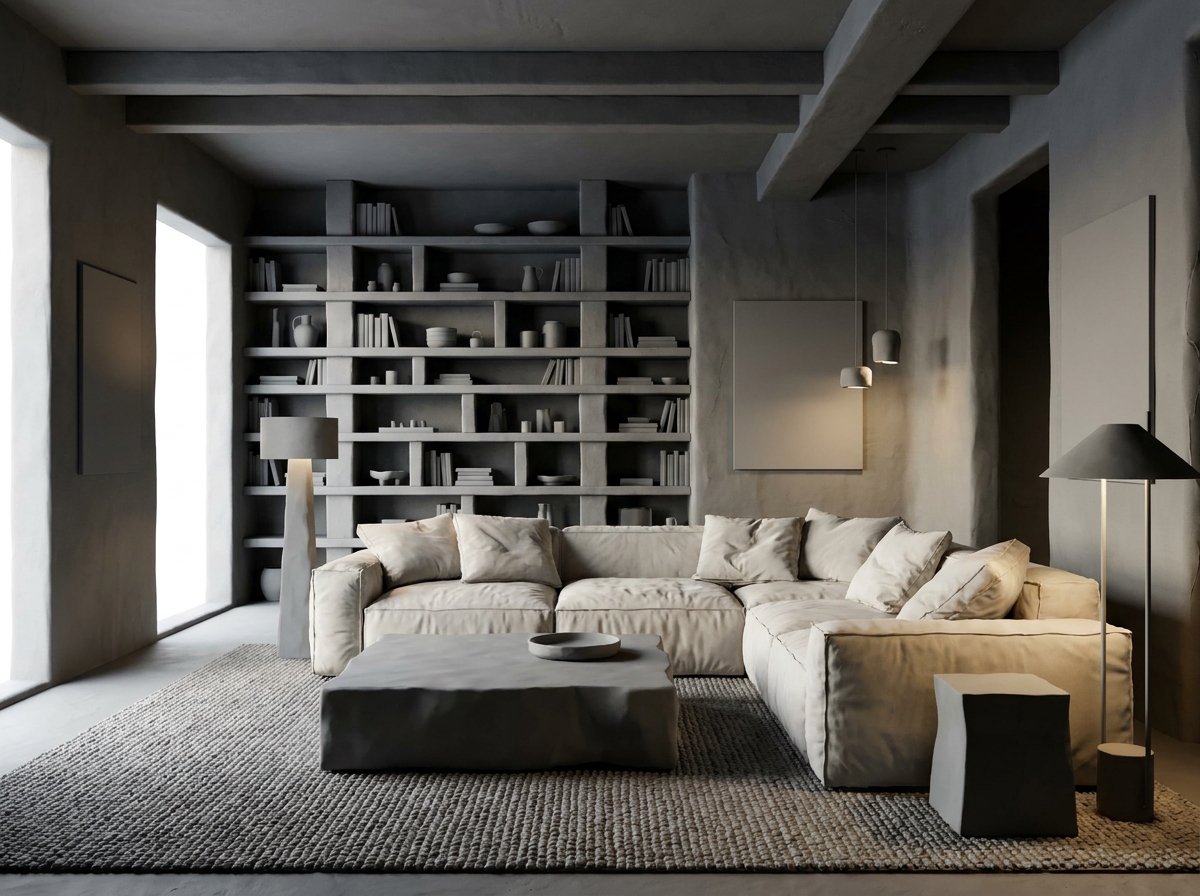
A clay model of a lived-in living room with open shelving and a rumpled sofa (AI-generated)Your answers lean here
Low resonance

The Naturalist

Prefers rooms that read as unscripted and lived-in. Rigid perfection registers as clinical and demanding; visible objects, organic arrangements and an accepted imperfection let this mind settle.

Form & Geometry

Soft & Hand-Formed and Rustic & Unrefined: tumbled stone, live edges

Pattern & Finish

Organic & Natural motifs; Random & Allover veining over a strict grid

Color & Tone

Balanced & Grounded: warm, earthy and calm

Light

Decorative & Expressive: visible, sculptural fixtures

Materials

Open wood shelving, loose-cover linen, veined stone, artisanal ceramics

04

How does one home serve both?

An Optimizer and a Naturalist under one roof clash from the first day: every object left out reads to one as a loss of control, and rigid order reads to the other as clinical.

Structured Relief

  • The Container

    For the Optimizer

    The shell, the built-ins and the hardscape, made to exact tolerances: floor-to-ceiling cabinetry on touch latches, appliances behind panels.

  • The Contents

    For the Naturalist

    Furnishings and textiles that forgive: deep, rumpled linen sofas, heavily textured rugs, asymmetric tables.

  • The Hidden Mess Zone

    For both

    A working scullery or butler's pantry out of sight, where appliances stay out and the main kitchen stays pristine.

The result

The Optimizer reads clean lines and concealed work as control; the Naturalist reads soft upholstery and open secondary zones as comfort.

05

What can override the reading?

Maintenance Infrastructure

The context

A strongly Optimizer client may want high-gloss black lacquer and polished Nero Marquina without the staff or the time to polish them daily. Every fingerprint on that gloss then registers as a loss of control.

The adjustment

Perfection arrives through forgiving specification: matte, fingerprint-resistant laminates, honed quartzite that hides water spots, and materials that hold a crisp state with no daily care.

Intellectual property of Meridian Atelier

  1. The Method
  2. Neuroaesthetic Design

Conscientiousness

Definition: Conscientiousness, the second trait of Neuroaesthetic Design, measures a mind's tolerance for visual noise and clutter, and sets how much of its home stays aligned, concealed and exact.

Authored byArian G.Principal & Design TheoristMeet the Principal

Where to go next

Together, the five traits give one profile of the mind a home serves.