
MERIDIAN ATELIER · the Wordmark

What are the Design Fundamentals?

The Design Fundamentals are the six principles Meridian Atelier uses to describe and design a home, plus The Feel of the result.

The six cover its shapes, surfaces, colors, light, architecture and garden. The Feel describes what the finished home is like to see, touch, hear and smell.

01

How the firm uses the fundamentals

Each principle asks questions about a home, and each question has three named answers. The firm matches a client’s words to those answers; together, they point to a style.

Choose an example

What the client asked for

“I want it modern but not cold.”

What the firm reads in it

  • How is each piece built?

    Monolithic & Seamless

    One piece, with no visible joint or seam.

    From “modern”

  • What is the surface like up close?

    Soft & Hand-Formed

    Smooth, yet gently uneven, like troweled plaster.

    From “not cold”

  • Which way do the colors lean?

    Warm-Leaning

    Taken together, the colors lean toward red and yellow.

    From “not cold”

  • How does the light fall?

    Soft & Diffused

    Light scattered or bounced before it reaches you, so shadows are gentle.

    From “not cold”

The style it points to

One of the firm’s twelve complete styles, called Aesthetic Compositions

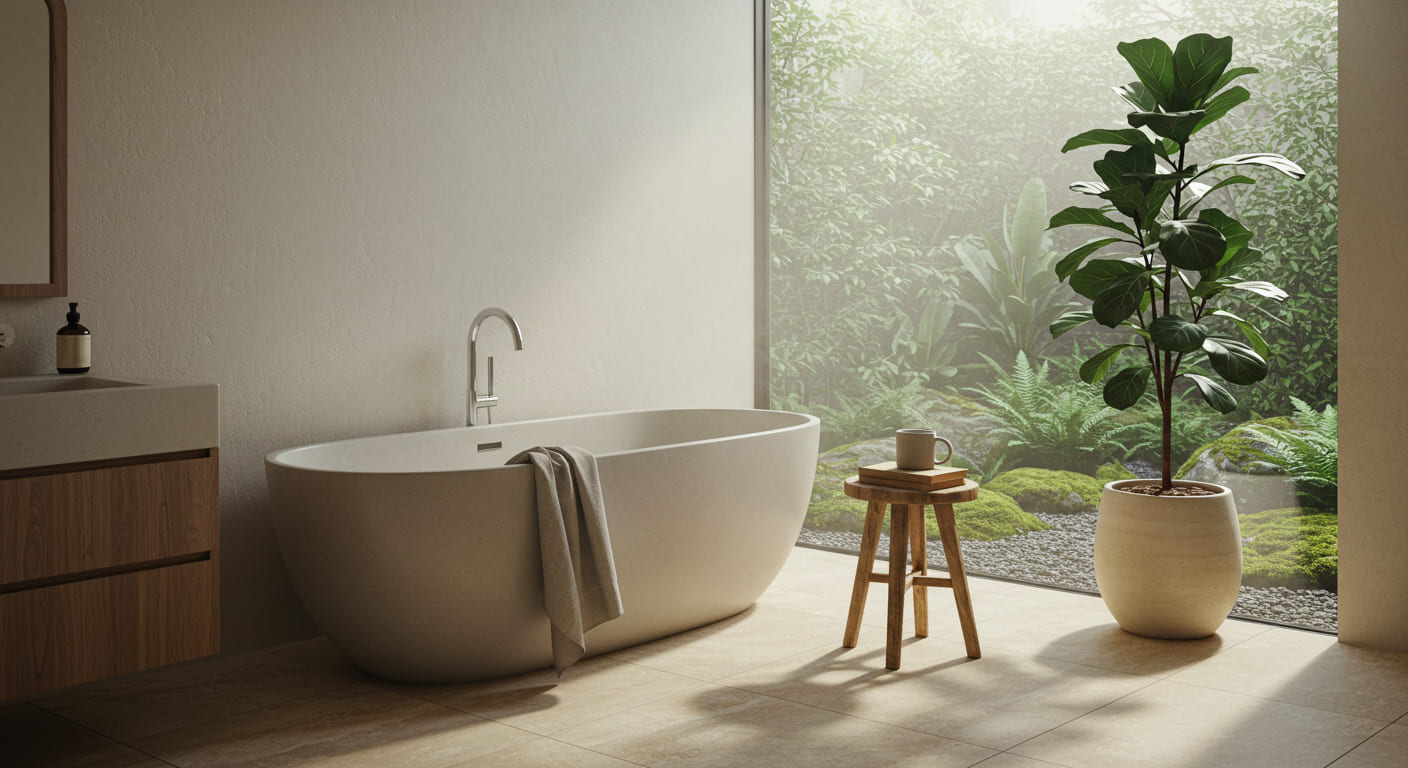
An Organic Contemporary bath with a curved plaster wall, stone tub and garden window (AI-generated)

Organic Contemporary

It pairs seamless, one-piece forms with hand-finished surfaces and a warm palette.

What the client asked for

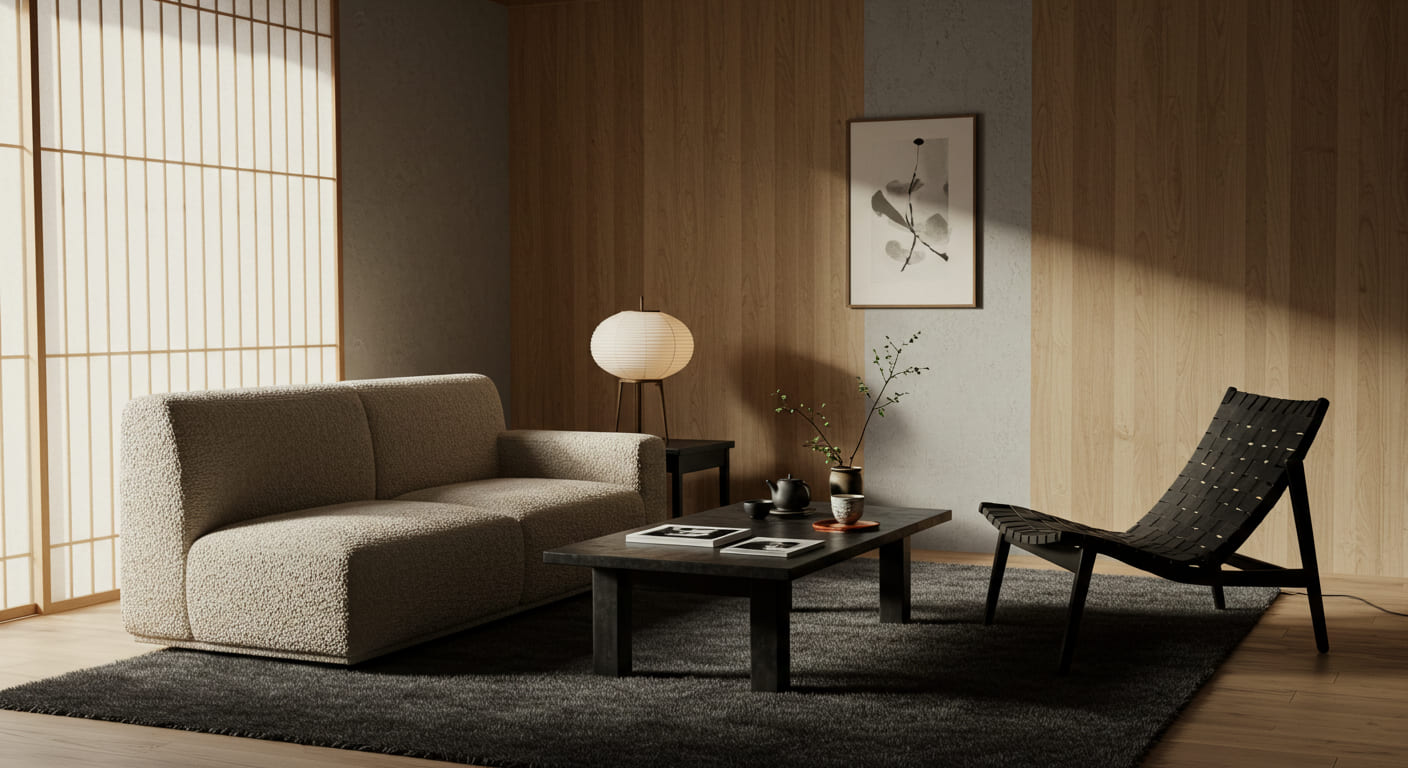
“I want it calm and uncluttered, with craftsmanship you can see.”

What the firm reads in it

  • How is each piece built?

    Articulated & Detailed

    Parts and joints left in view, like fine joinery.

    From “craftsmanship you can see”

  • How bold is the pattern?

    Minimal & Subtle

    Quiet pattern that looks like texture from a distance.

    From “uncluttered”

  • How strongly do the colors stand apart?

    Tonal & Serene

    Colors close in tone, with little contrast between them.

    From “calm”

  • How does the light fall?

    Soft & Diffused

    Light scattered or bounced before it reaches you, so shadows are gentle.

    From “calm”

The style it points to

One of the firm’s twelve complete styles, called Aesthetic Compositions

A Japandi living room with a bouclé sofa, a fluted oak wall and a black ash chair (AI-generated)

Japandi

It pairs visible joinery with quiet pattern and a palette of close, calm tones.

What the client asked for

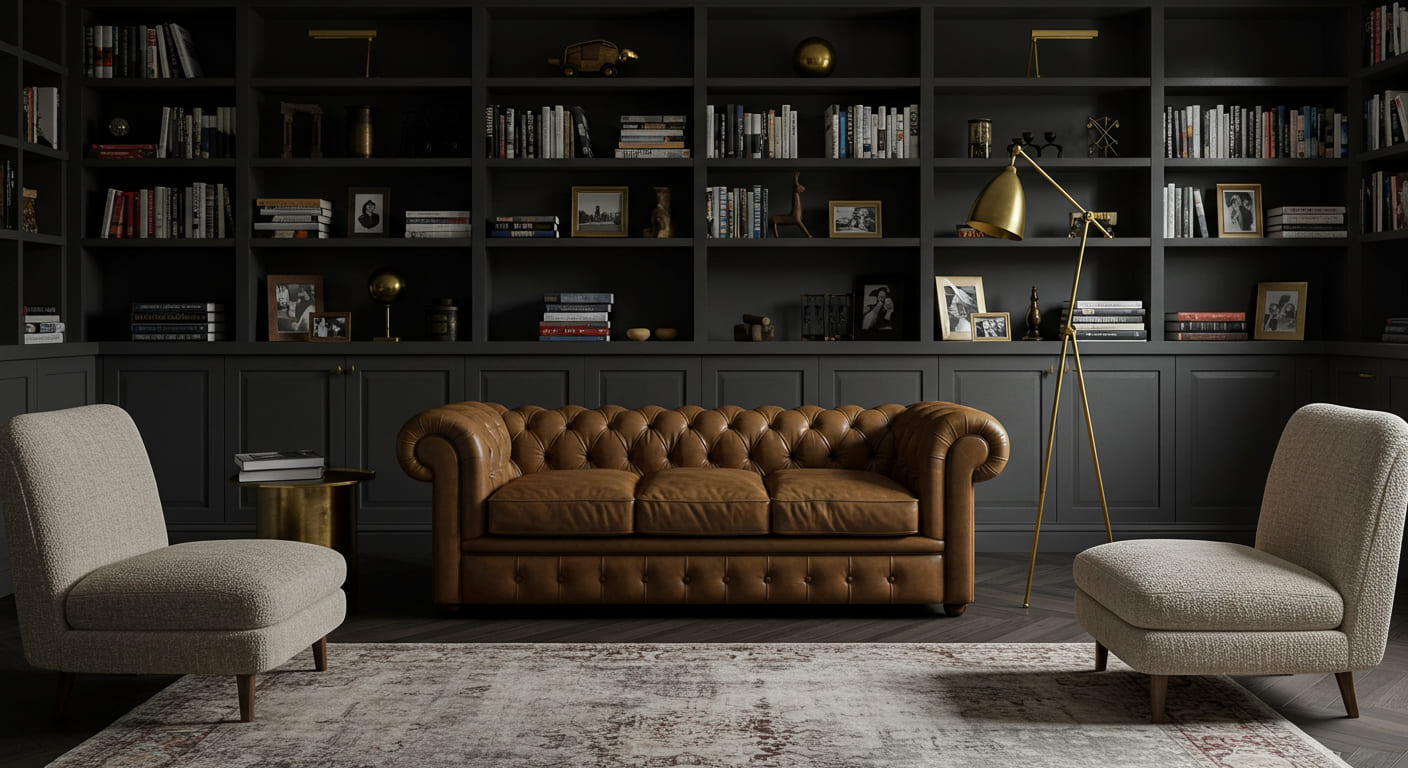
“I want it classic and dramatic, with moldings, Persian rugs and chandeliers.”

What the firm reads in it

  • How is each piece built?

    Ornamental & Intricate

    Decoration beyond what the structure needs, such as carved moldings.

    From “moldings”

  • How bold is the pattern?

    Ornate & Complex

    Intricate pattern, dense with detail, that rewards a close look.

    From “Persian rugs”

  • How strongly do the colors stand apart?

    Rich & Saturated

    Deep colors set against pale ones, with strong contrast between them.

    From “dramatic”

  • How much of the light fixture shows?

    Decorative & Expressive

    A fixture on show, chosen for its form, like a chandelier.

    From “chandeliers”

The style it points to

One of the firm’s twelve complete styles, called Aesthetic Compositions

A Transitional Classic library with charcoal shelves and a cognac leather Chesterfield (AI-generated)

Transitional Classic

It pairs carved detail with intricate pattern and a palette of deep, contrasting colors.

None of these requests changes the house itself or its garden, so each needs only four of the six principles; the next chapter shows when the other two apply.

02

Which principles apply to your project?

The six principles sit in four groups: Matter (shape, surface and color), Light, Architecture and Landscape. Which groups a project uses depends on the work it includes.

Choose a project
  • MatterNot part of this project

    On every project

    Form & Geometry · Pattern & Finish · Color & Tone

  • LightNot part of this project

    On nearly every project

    The lighting the design adds to each room

  • ArchitectureNot part of this project

    When the house itself changes

    New construction, an addition, or a remodel that moves walls or windows

  • LandscapeNot part of this project

    When the work includes planting

    The garden and its plants; a pool on its own needs only Matter and Light

  • The FeelNot part of this project

    On every finished design

    What the finished home is like to see, touch, hear and smell

When a client returns for more work, the new work adds the groups it needs, and every earlier choice stands.

The six principles

Each principle describes one aspect of a home and has its own page. Turn a card to see the principle drawn.

Matter

On every project

Matter is what makes up a design: the shape, the surface and the color of everything in the home.

Principle 02

Pattern & Finish

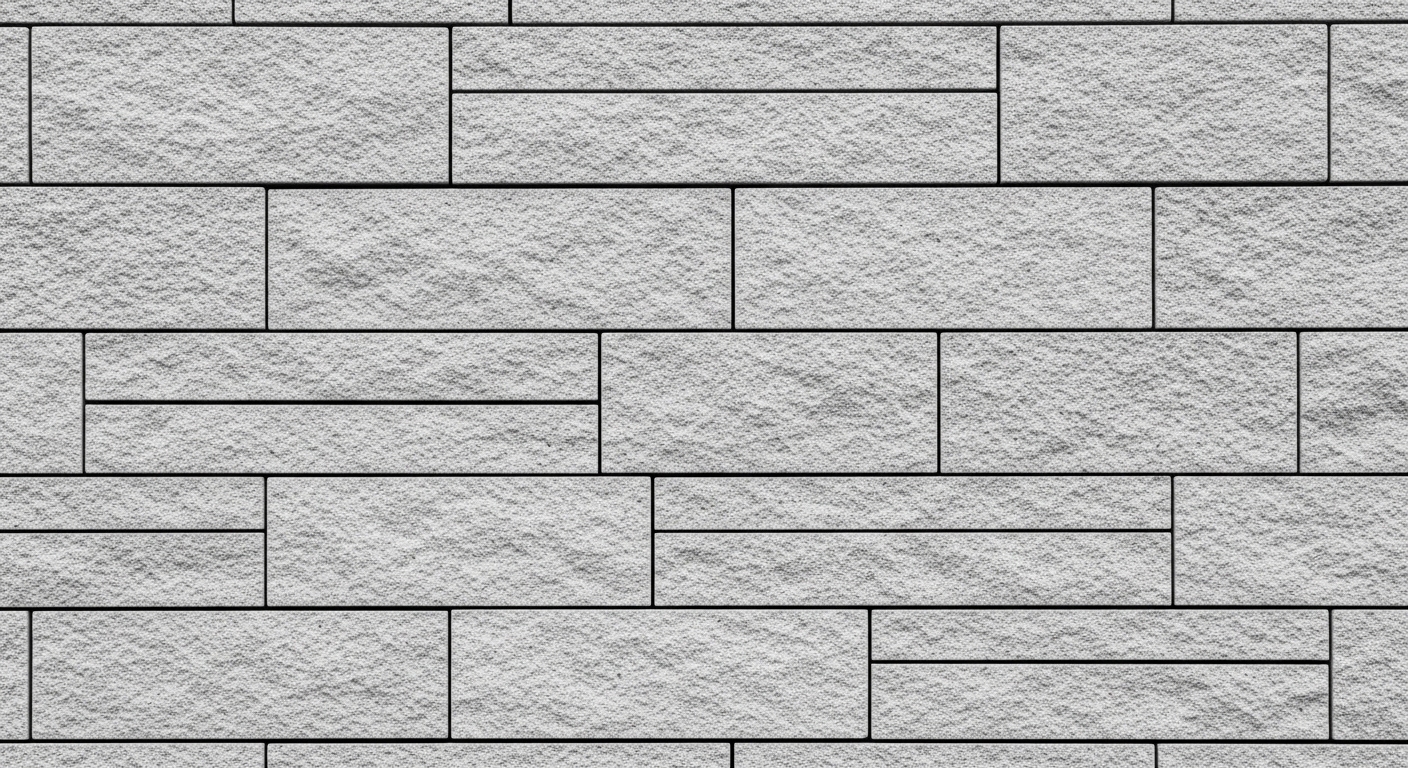
A wall of rough-faced pale stone laid in long courses of uneven height, in black and white (AI-generated)

Pattern & Finish describes surfaces: the pattern they show, and their finish, which is their texture, their shine and how they age. The same marble, honed to a soft glow or polished to a mirror, keeps its pattern and changes its finish.

The questions it asks

Where does the pattern come from?How is it laid out?How bold is it?How rough or smooth is the surface?How much does it shine?How does it age?

Read about Pattern & Finish
Principle 03

Color & Tone

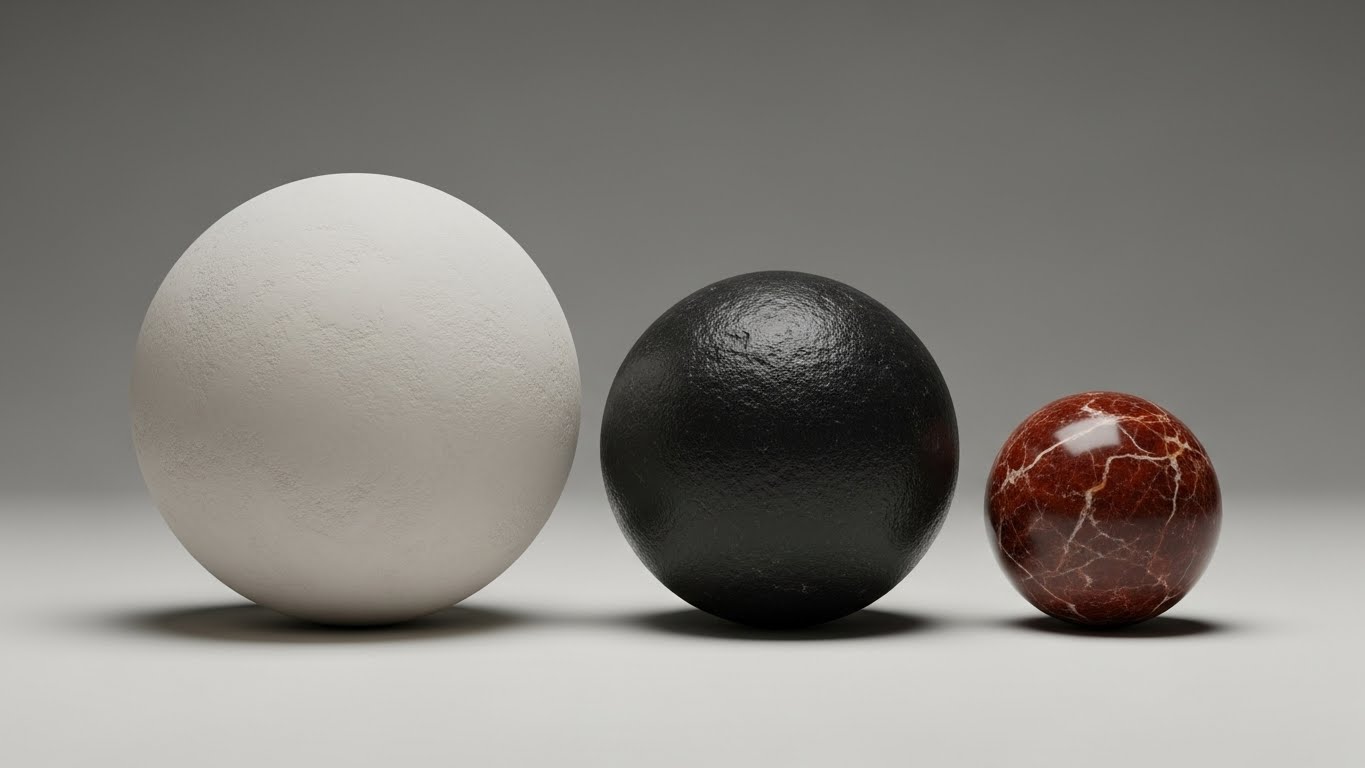
Three spheres on a grey ground: white plaster, black stone and red marble veined in white (AI-generated)

Color & Tone describes color: each color the firm uses, the palettes that combine them, and the color of the light. It also says how a palette looks as a whole: how pale, how warm and how bold.

The questions it asks

Which family of palettes suits the client: The Calm (close, quiet tones), The Authentic (earthy, balanced tones) or The Drama (deep, high-contrast tones)?Which palette, and where does each color go?What color is the light?

Read about Color & ToneComing soon
Principle 04

Light

On nearly every project

The firm plans the lighting room by room; daylight from the windows comes under Architecture.

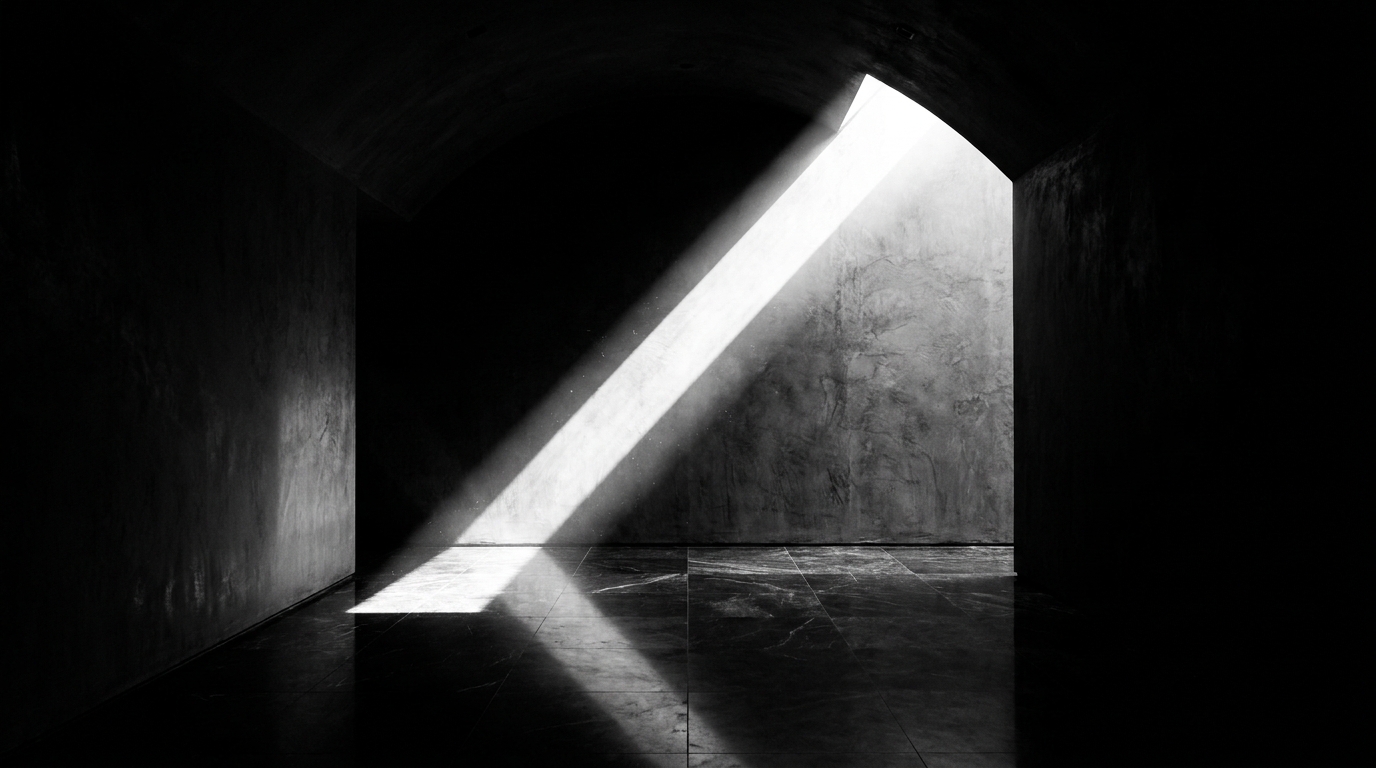
A beam of daylight falling through an arched opening across a dark stone room, in black and white (AI-generated)

Light describes the lighting a design adds, room by room. A ceiling cove that hides its lamp and a chandelier on show are the two extremes of how much a fixture shows.

The questions it asks

How bright should each room be?How does the light fall?How much of the light fixture shows?

Read about Light
Principle 05

Architecture

When the house itself changes

That means new construction, an addition, or a remodel that moves walls or windows; even when nothing changes, the firm studies every house from its plans.

Principle 06

Landscape

When the work includes planting

The firm describes each plant by its shape, its pattern and its color, the way it describes any material or product.

What is The Feel?

The Feel describes what a finished home is like to see, touch, hear and smell.

The firm assesses it on every finished design

It follows from the design itself, from its colors, light, materials and the size of its rooms, so nobody chooses it. Each style sets two targets: how its rooms should sound and how strongly they should smell; the firm checks every design against them.

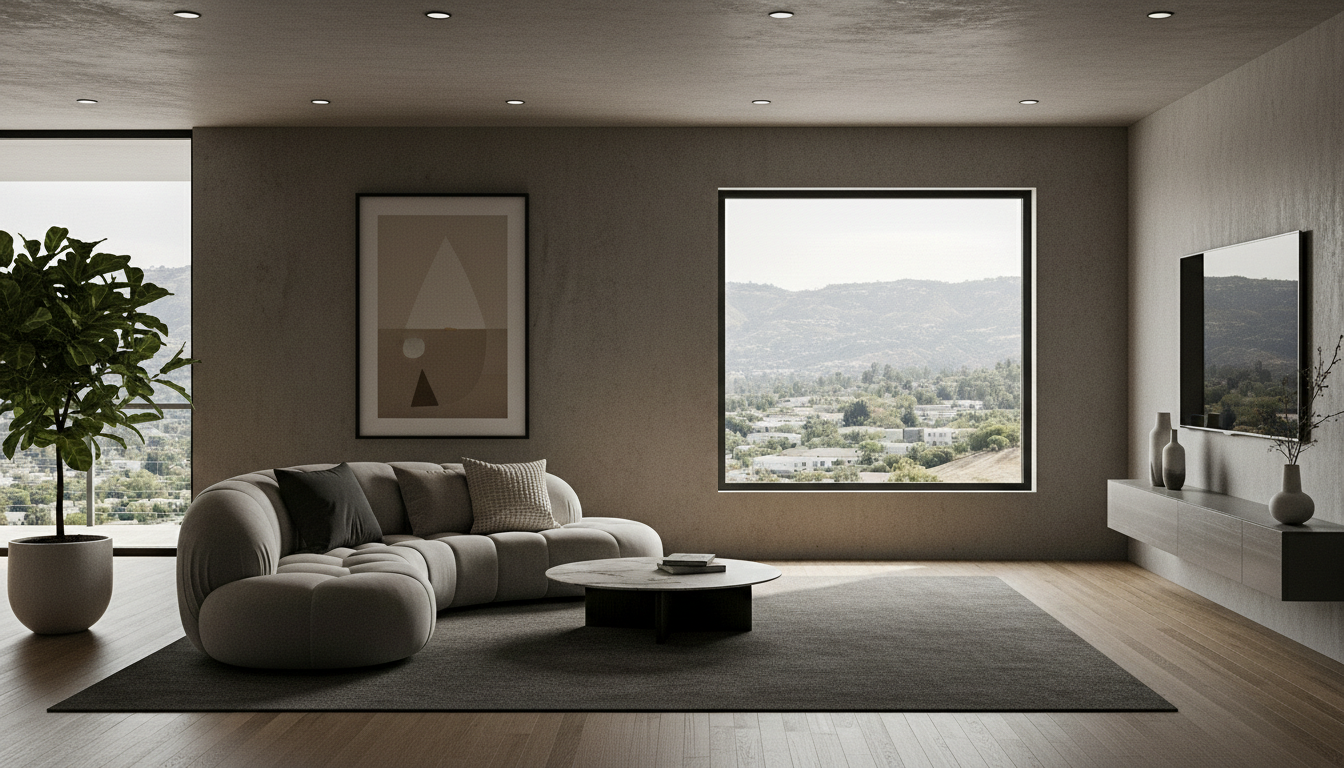
The Feel of this living room

A living room with a curved upholstered sofa on a large rug, plaster walls, an oak floor, a stone table and a window onto the hills (AI-generated)

An example room, not a finished project; the firm assessed it by eye from this picture.

Sight

How does the room look?

Sight has no measure of its own. It brings together four answers from Color & Tone and Light: how pale the colors are, how much they contrast, how bright the room is and how the light falls.

The colors are mid-toned and sit close together, the room is evenly and comfortably bright, and daylight falls softly from the windows.

In the firm’s termsMid-Key·Tonal & Serene·Ambient & Comfortable·Soft & Diffused

No single measure combines how pale, how contrasted and how bright a room is, so the firm keeps the four answers side by side.

Touch

What are its surfaces like to the touch?

Touch has no measure of its own either. It brings together the texture and shine of each surface, from Pattern & Finish, and how warm each material is in the hand.

The plaster walls show a gentle hand-worked texture and, like the sofa and the rug, are matte; the oak floor is warm underfoot, the stone table cool to the hand.

In the firm’s termsSoft & Hand-Formed·Matte·Warm Touch (the oak)·Cool Touch (the stone)

Stone and metal draw heat from the hand faster than wood, leather or wool, so at the same room temperature they are cooler to the touch.

Sound

How does the room sound: hushed, good for conversation, or echoing?

The firm computes Sound from the design: how long a sound takes to fade away, from the size of the room and how much its surfaces absorb.

The rug and the upholstered sofa absorb what the oak floor, the plaster and the glass reflect, so speech carries clearly.

How long a sound takes to fade away
  1. Hushed & Stillunder about 0.4 seconds

    Voices and footsteps die at once.

  2. Conversationalabout 0.4 to 0.7 seconds

    Speech carries clearly.

  3. Lively & Reverberantover about 0.7 seconds

    Voices carry and footsteps ring.

The firm uses Sabine’s method, which compares the room’s volume with how much sound its surfaces absorb. The same finishes echo longer in a taller room.

Scent

How much does the room smell of something?

The firm assesses how strongly the room smells, from its materials, any plants by a door or window and any added scent.

Nothing in the room gives off a smell anyone could name: no candle, no scented wood, no flowering plant.

How strong a smell is, from 0 to 5
  1. Clean & Unscented0 to 1 out of 5

    Nothing anyone could name.

  2. Gentle & Delicateabout 2 out of 5

    People notice it close to its source.

  3. Distinct & Evocativeabout 3 out of 5

    It fills the room; people notice it from the doorway.

On this scale 0 means no smell and 5 an extremely strong one; a strong scent, 4 or 5, is never the aim.

These names apply to every design the firm makes and to each of its styles.

On Sound’s scale, 0.7 seconds is the limit for clear speech that ANSI S12.60, the US standard for classroom acoustics, sets for a large furnished classroom (the Acoustical Society of America’s guide (source, opens in a new tab)). The scent scale comes from odor research (Higuchi and colleagues, 2018).