

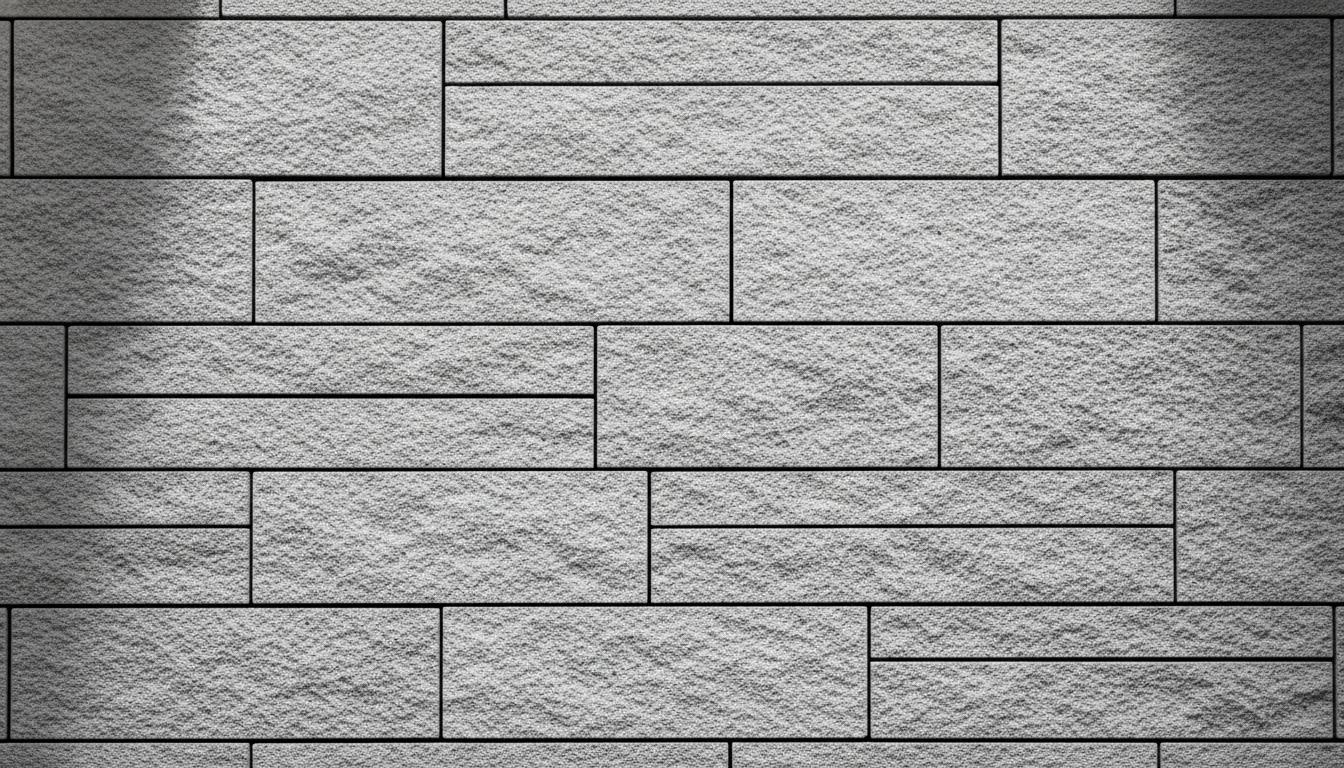
Principle 02 · pattern, texture, shine and aging
Pattern & Finish
The principle that describes every surface in a home: its pattern and its finish.
What is Pattern & Finish?
Pattern & Finish is the study of a surface: its pattern and its finish, which is its texture, its shine and the way it ages.
It is the second of the firm’s six principles. The first three, called Matter, cover a design’s shape, its surface and its color.


 Choose this answerChoose this insteadYour answerOpen this questionClose this questionChange your answerOpenCloseChangeExamples and stylesExamplesNext questionSee your resultone · two · three · four · five · six · seven · eight · nine · ten · eleven · twelve
Six questions about your project’s surfaces
Choose one answer to each question: three about the pattern, then three about the finish. Your answers build a drawing of your project’s surfaces.
The pattern
These questions ask where the pattern comes from, how it is laid out and how strong it is.
Pattern Source
Where does the pattern come from: measured shapes, nature, or art and tradition?
Not answered yetYour answerGeometric & StructuralOrganic & NaturalCultural & ExpressiveGeometric & Structural
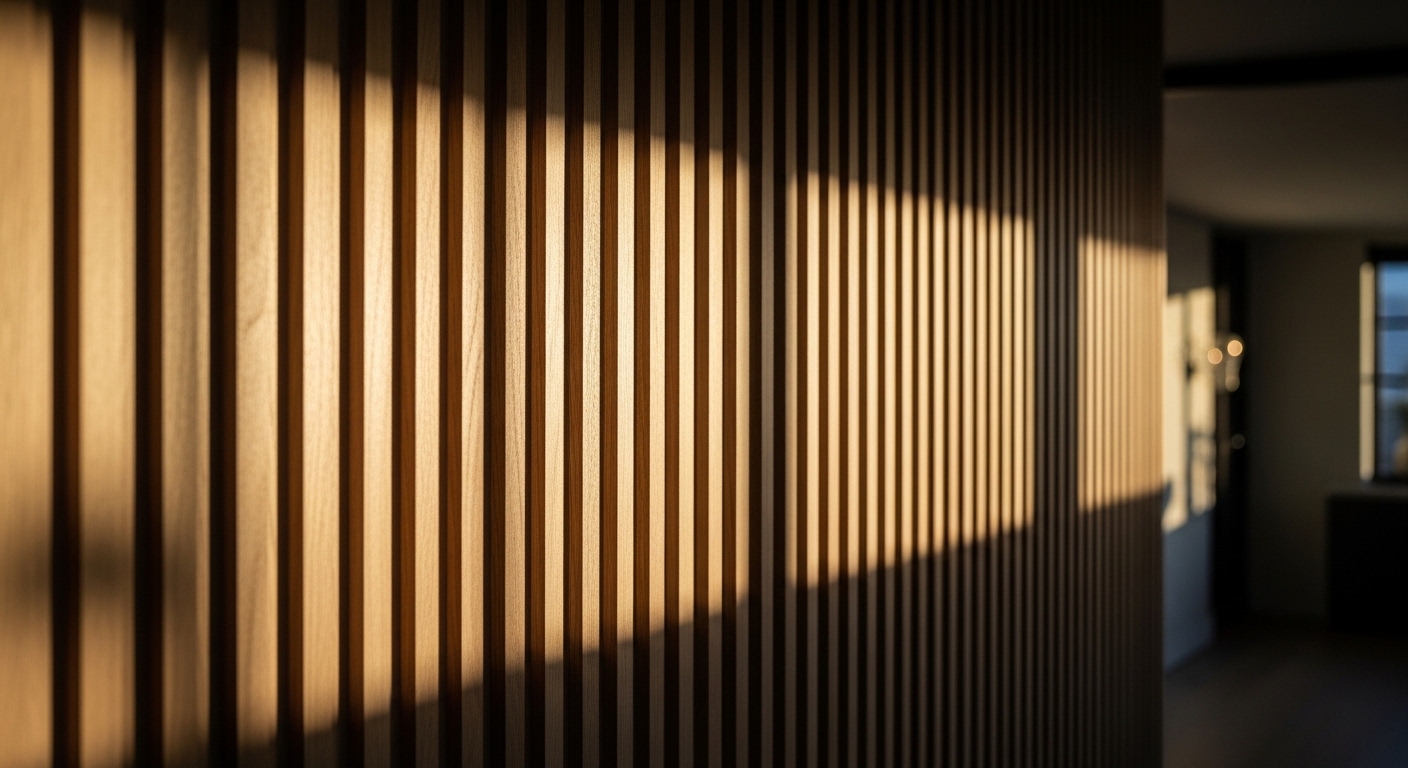
Patterns made of measured shapes and lines (source, opens in a new tab), as in a wall of evenly spaced wood slats.

Stripes, grids and wood slats
Stripes, checks, grids, parallel grooves cut into wood or stone, zigzag chevrons, rows of wood slats, bricks laid in a repeating pattern.
Shapes that repeat at even spacing let the eye predict what comes next, so the room looks orderly and controlled.
California Modernism · Mid-Century Modern · Axiom Modern
Organic & Natural
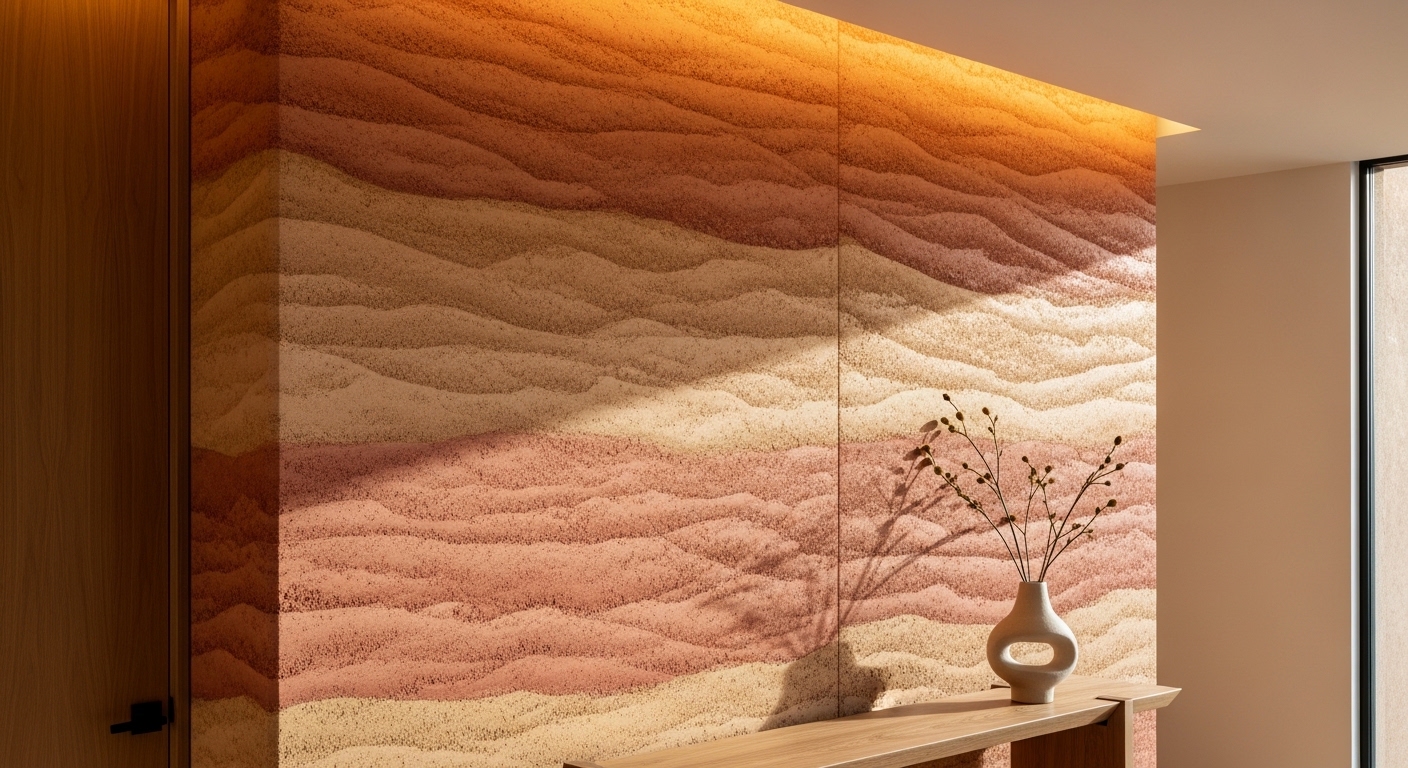
Patterns with the uneven lines of nature and no exact repeat, as in the wavy layers of a wall of packed earth (source, opens in a new tab).
Stone veining and wood grain
The veins in marble and onyx, the grain of wood, ripples like water, animal prints, plaster with soft cloudy swirls.
Lines that never repeat exactly keep the eye wandering, so the room looks soft, varied and close to nature.
Organic Contemporary · Wabi-Sabi · Coastal Contemporary · Sensory Modernism · Japandi · Desert Modern
Cultural & Expressive
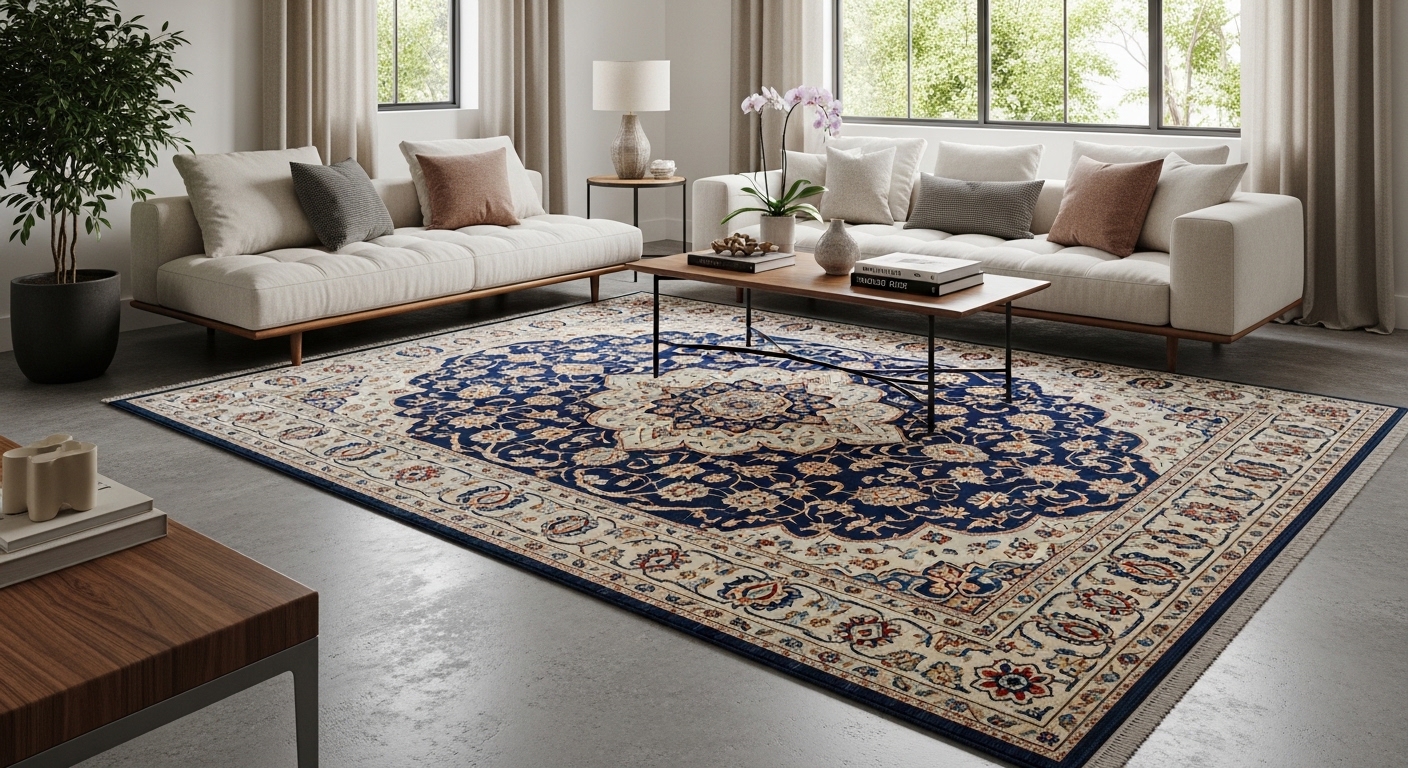
Patterns drawn from art, history and stories, as in a Persian rug (source, opens in a new tab) with a floral border.
Florals, paisley and Persian rugs
Florals, paisley, fabric printed with country scenes in one color, woven patterns with softly blurred edges, Chinese-style painting, Moroccan lattice of interlocking shapes, abstract brushstrokes, human figures.
A motif from a known tradition brings its history with it, so the room looks romantic and connected to the past.
Hollywood Regency · California Mediterranean · Transitional Classic
Pattern Structure
How is the pattern laid out: on a grid, in one direction, or at random?
Not answered yetYour answerGrid-Based & SymmetricalDirectional & RhythmicRandom & AlloverGrid-Based & Symmetrical
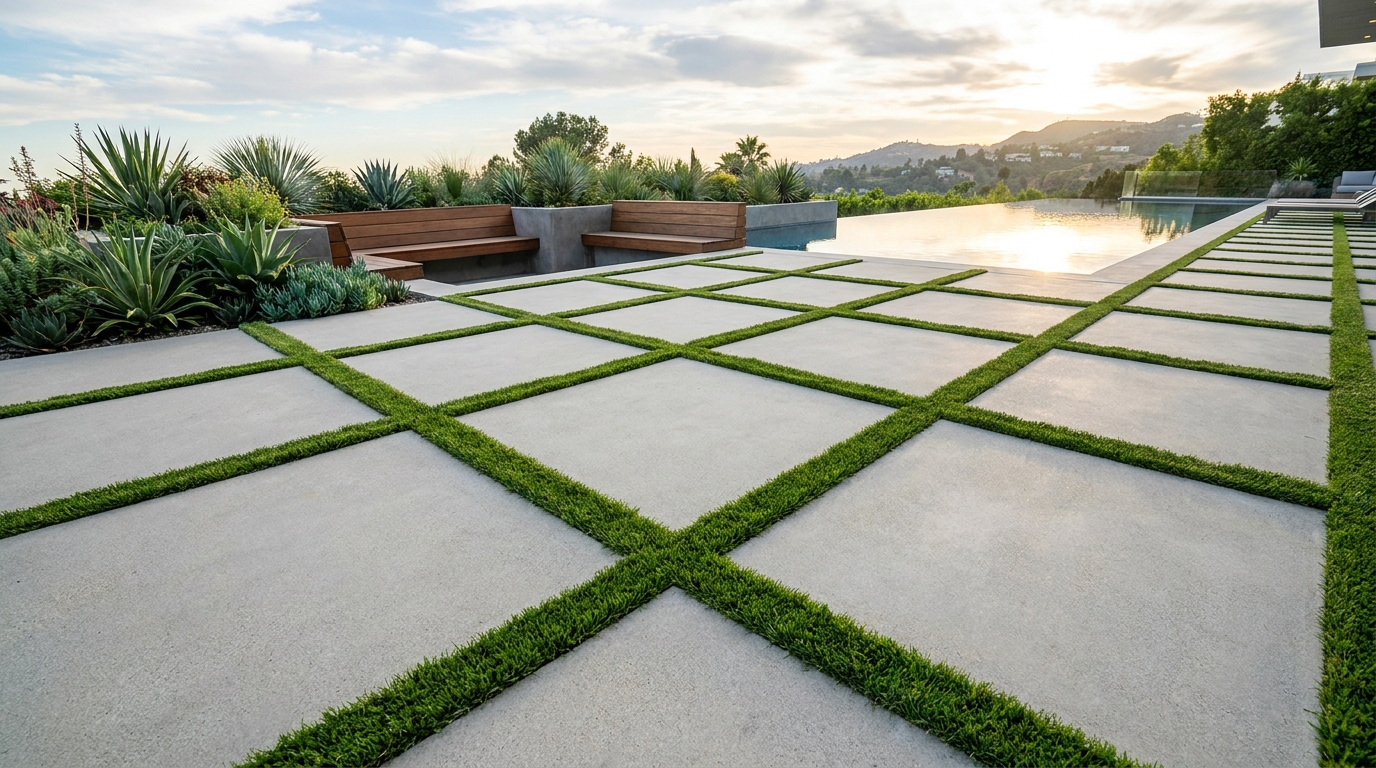
A pattern laid out on a strict grid that lines up both ways (source, opens in a new tab), as in square pavers set in rows.
Checkerboard floors and tile grids
Checkerboard floors, tiles stacked in straight rows with every joint aligned, ceilings divided into square sunken panels, windows divided into a grid of panes.
Lines that meet at right angles in both directions hold the eye still, so the room looks stable and permanent.
Transitional Classic · California Modernism · Hollywood Regency · California Mediterranean
Directional & Rhythmic
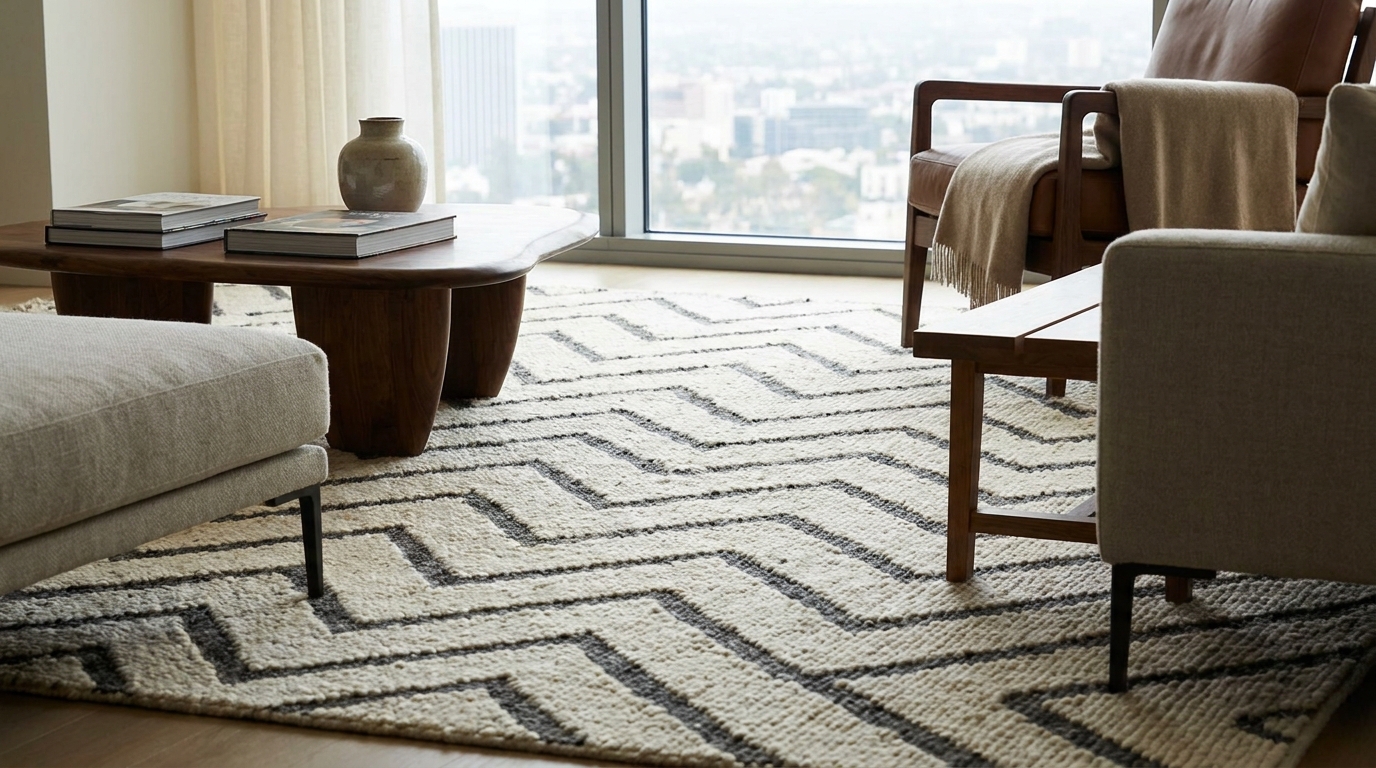
A pattern that runs one way and carries the eye with it, as in a rug of bold zigzag stripes (source, opens in a new tab).
Herringbone and zigzag stripes
Herringbone floors of short planks set in V shapes, zigzag chevrons, bricks or tiles laid in staggered rows, upright grooves running up a wall, wood grain that all runs one way.
The eye follows the pattern’s direction, so a room looks longer along it, and upright lines make a ceiling look higher.
Axiom Modern · Japandi · Mid-Century Modern · Coastal Contemporary
Random & Allover
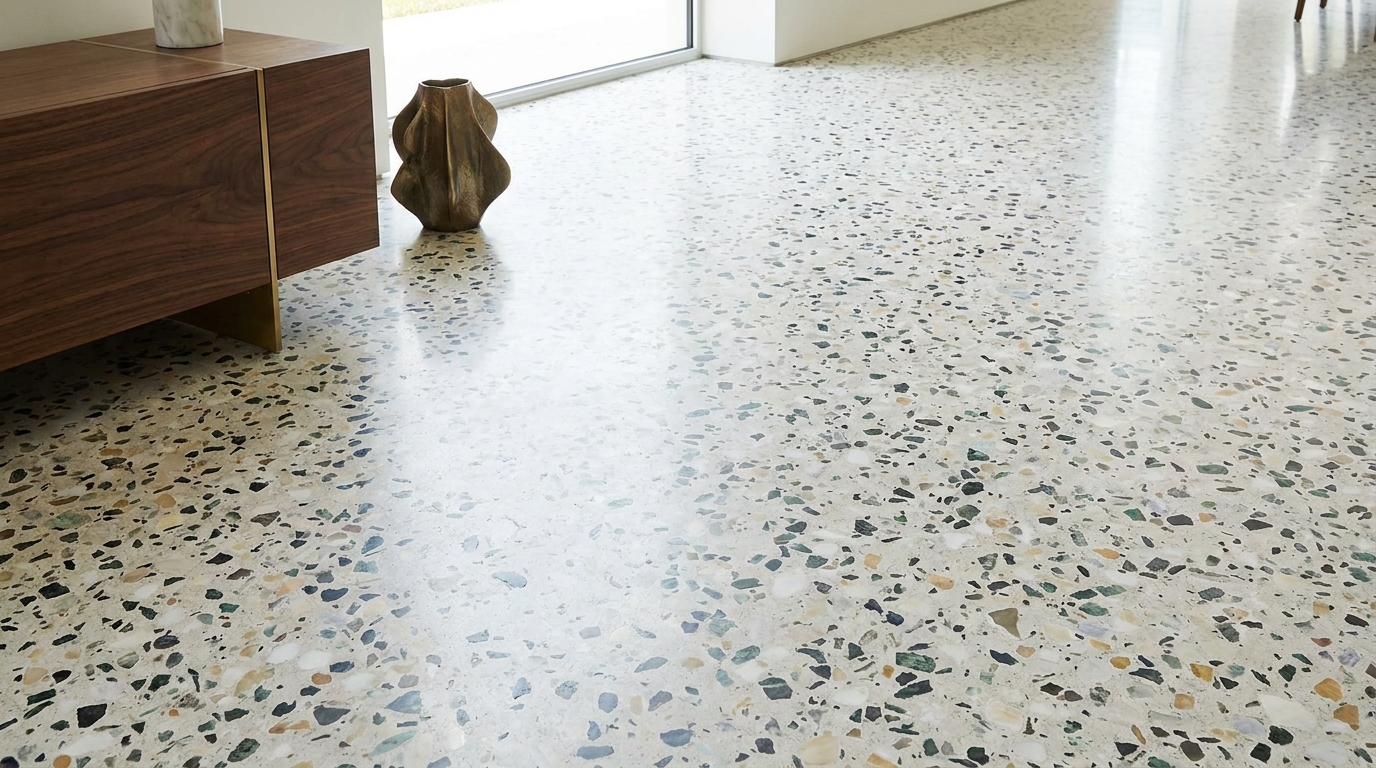
A pattern spread evenly over the whole surface, with no repeat, direction or grid, as in a terrazzo floor (source, opens in a new tab) of scattered stone chips.
Terrazzo and heavily veined stone
Terrazzo, stone with heavy veining, paint flicked onto a surface, plaster spread by hand with a trowel, floors and walls set with pebbles.
With no line or repeat to follow, the eye takes the pattern in as a whole, so the room looks rich but calm.
Wabi-Sabi · Organic Contemporary · Desert Modern · Sensory Modernism
Pattern Character
How strong is the pattern: quiet, bold, or full of detail?
Not answered yetYour answerMinimal & SubtleGraphic & BoldOrnate & ComplexMinimal & Subtle
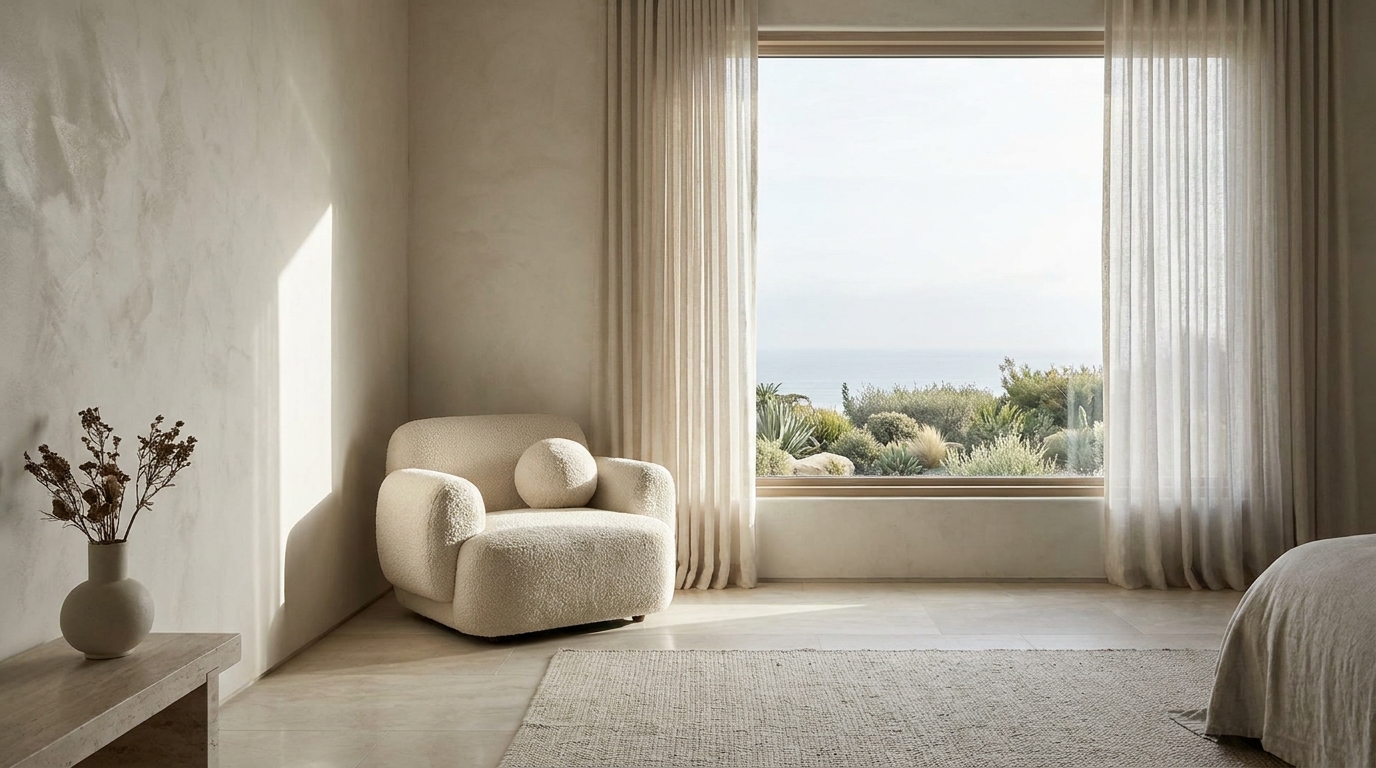
A pattern so low in contrast that from across the room it looks like one even tone, as in a white bouclé chair (source, opens in a new tab) against cream plaster.
Same-color weaves and linen
Fabrics woven in shades of one color, pale wood with faint grain, linen with its small natural bumps, mosaics of very small tiles.
Colors this close give the eye nothing to stop on, so the room looks calm and quiet.
Japandi · Coastal Contemporary · Sensory Modernism · Organic Contemporary · California Modernism · Wabi-Sabi · Desert Modern
Graphic & Bold
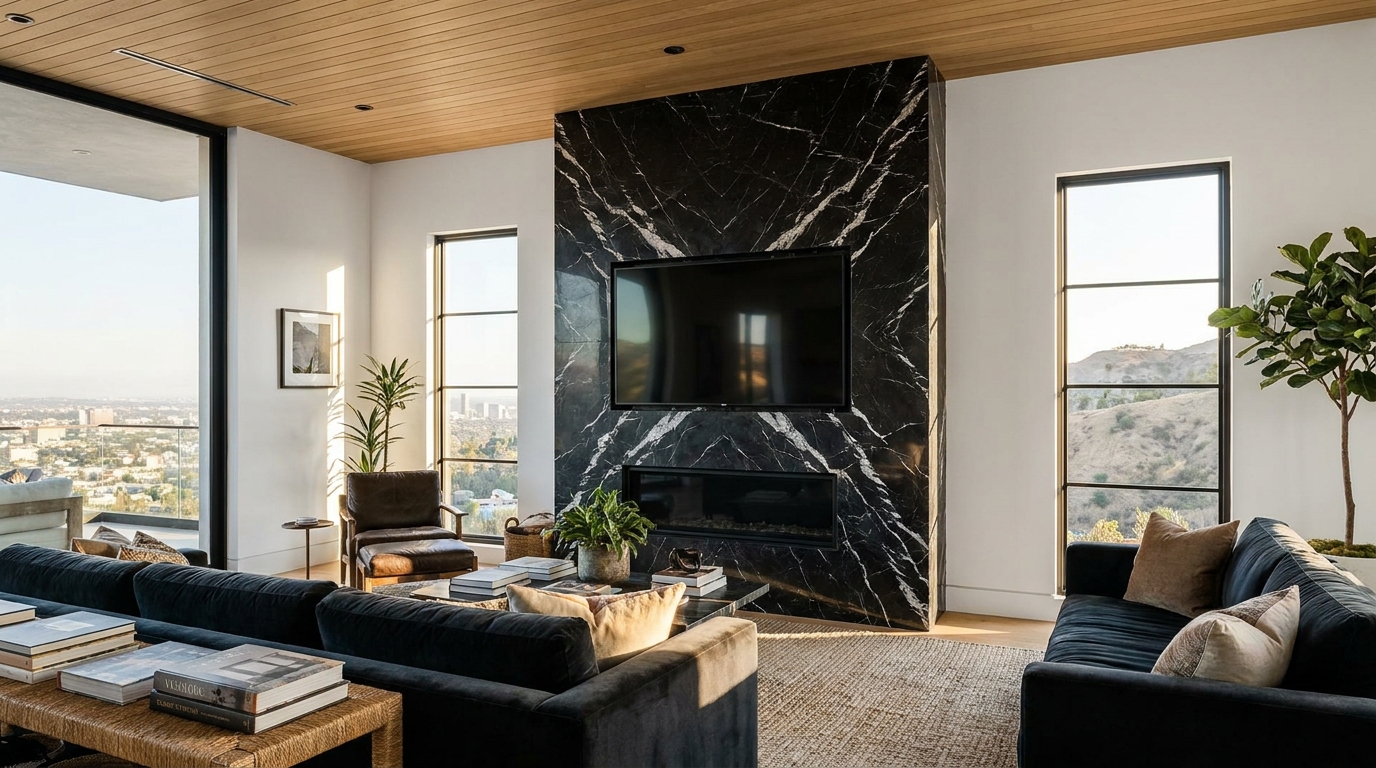
A pattern of high contrast and clear shapes that draws the eye first, as in black marble (source, opens in a new tab) crossed by white veins.
Stripes and book-matched marble
Black-and-white stripes, marble slabs opened like a book so their veins mirror each other, large geometric shapes, blocks of solid color side by side.
One strong pattern becomes the first thing the eye finds, so the room looks confident and full of energy.
Hollywood Regency · Mid-Century Modern · Axiom Modern
Ornate & Complex
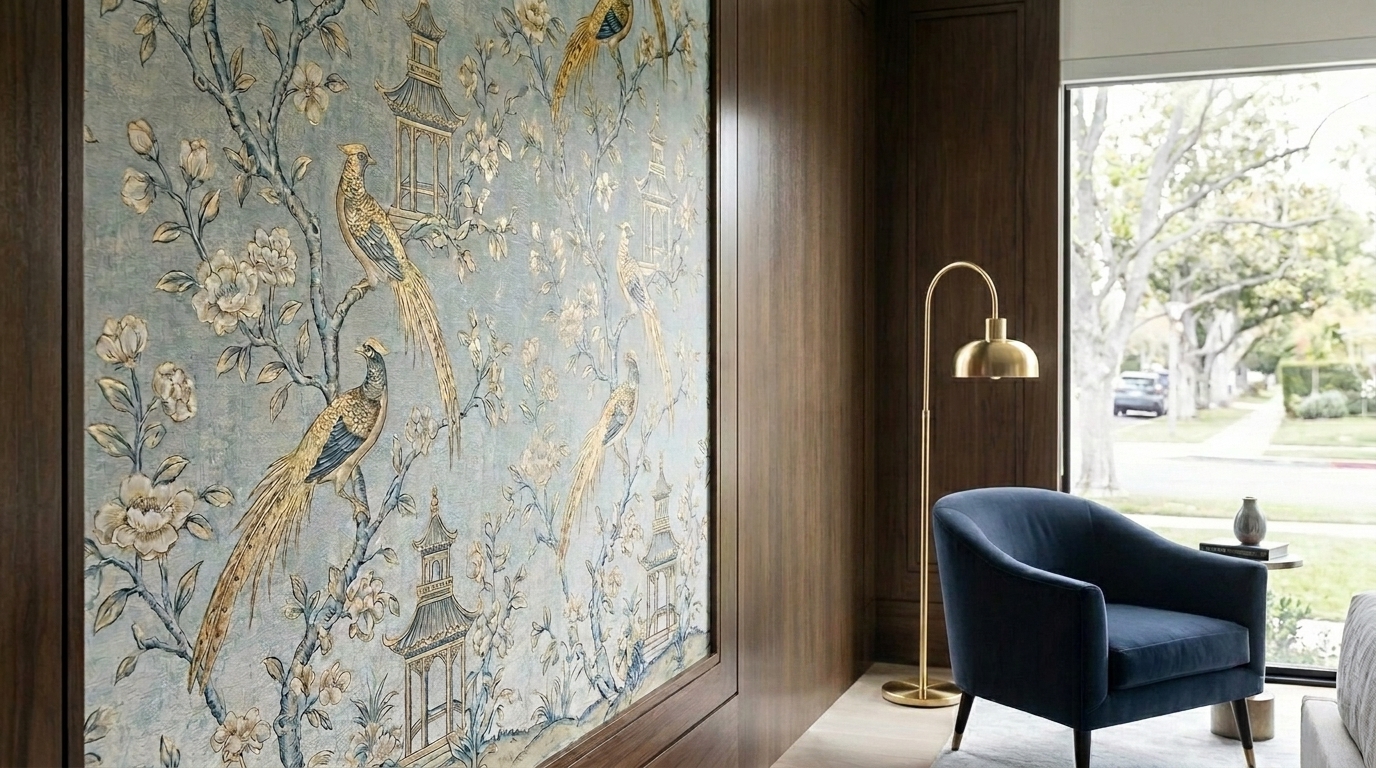
A dense pattern of fine detail that rewards a close look, as in hand-painted wallpaper (source, opens in a new tab) of birds and branches.
Damask fabric and mosaic borders
Damask, a cloth whose woven pattern shines against a dull ground, detailed Chinese-style painted scenes, Persian rugs, mosaic borders of many small pieces.
Many motifs at many sizes give the eye more to find the longer it looks, so the room looks rich and historic.
Transitional Classic · California Mediterranean
The finish
These questions ask what the surface is like to the touch, how much it shines and how it ages.
Texture
What is the surface like to the touch: smooth and even, softly worked by hand, or rough?
Not answered yetYour answerCrisp & MachinedSoft & Hand-FormedRustic & UnrefinedCrisp & Machined
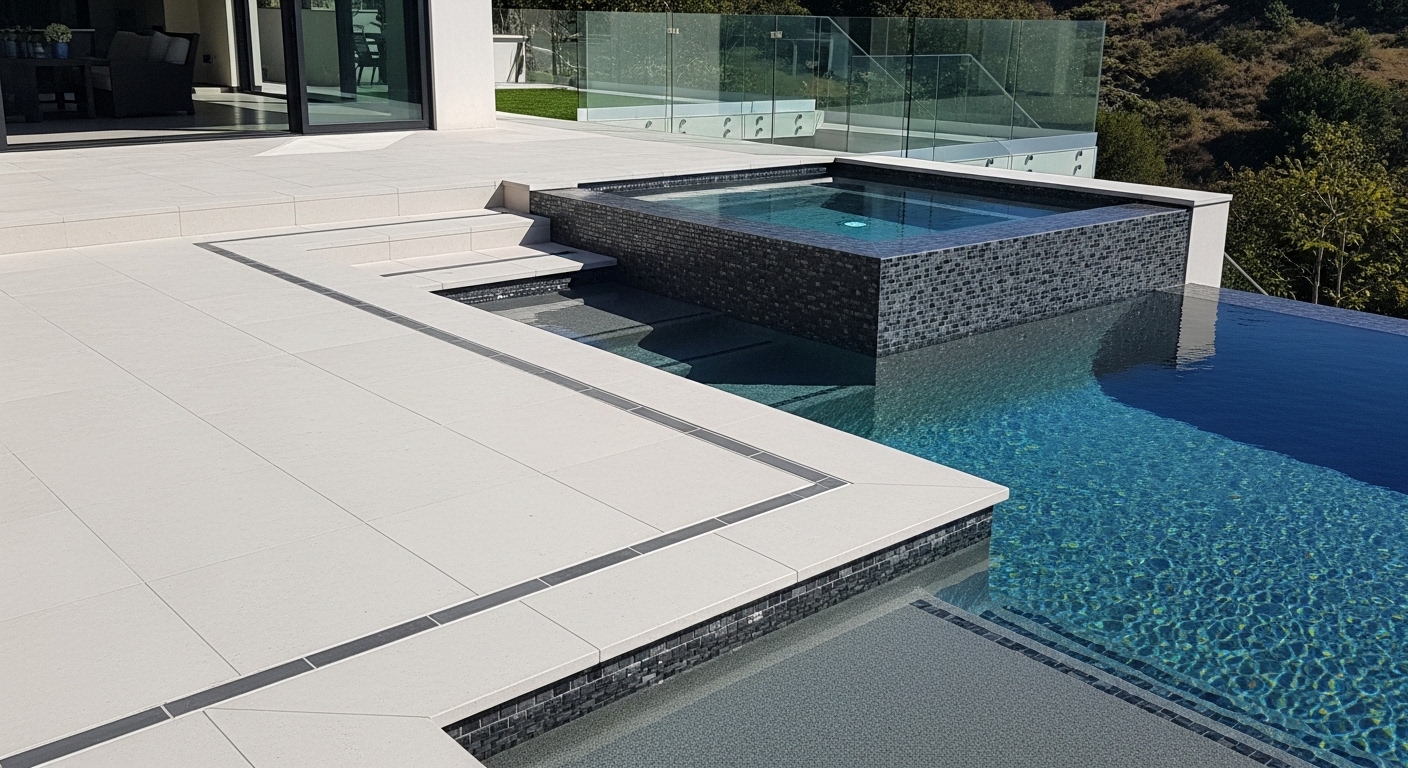
A surface so even that no patch differs from the next and no trace of a hand shows, as in large porcelain pavers (source, opens in a new tab).
Porcelain, quartz and lacquer
Porcelain and other factory-made stone slabs, quartz counters, stone sawn, polished, or ground smooth with its holes filled, lacquered or laminate cabinets.
Shine a light along it from the side and no shadow shows, so the room looks precise, clean and modern.
Axiom Modern · Sensory Modernism · Hollywood Regency · California Modernism · Transitional Classic · Mid-Century Modern
Soft & Hand-Formed
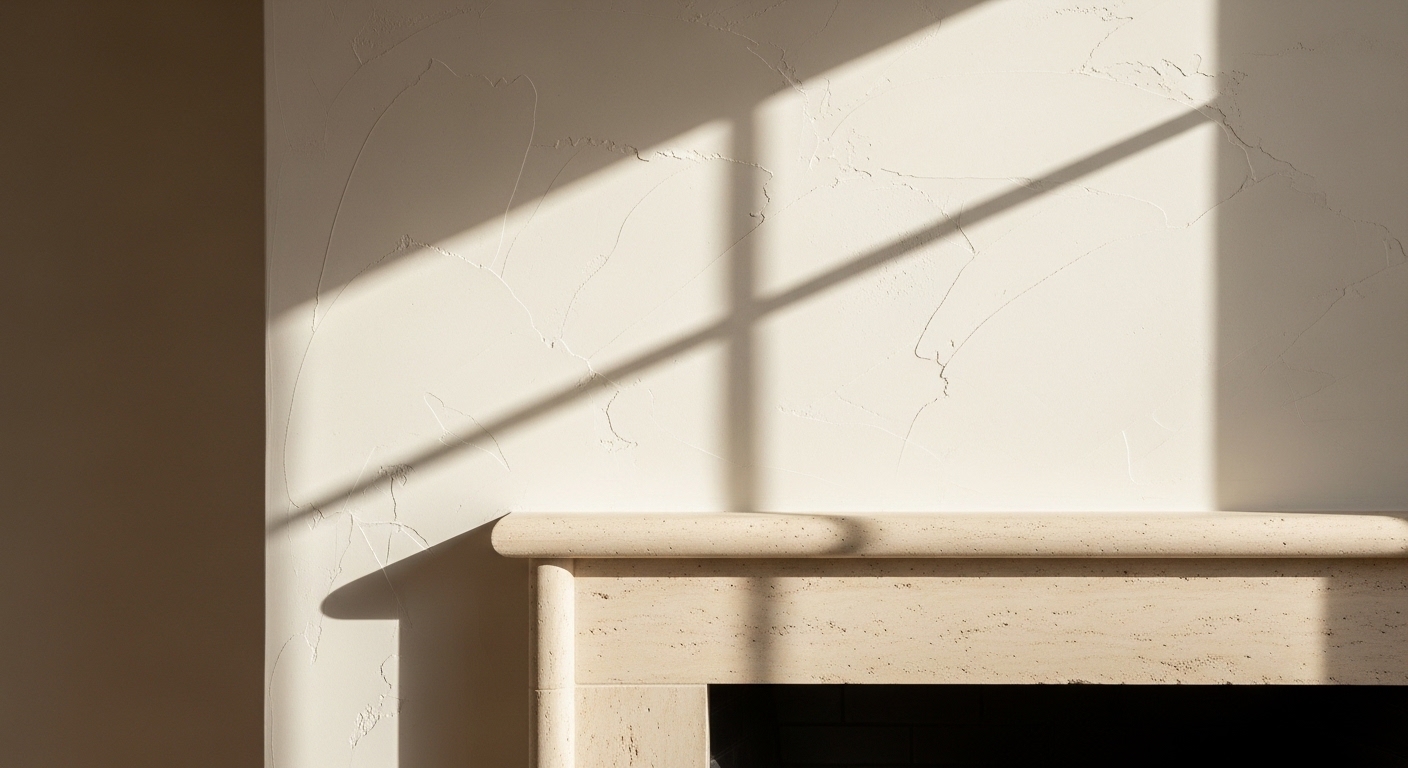
A surface smooth to the touch that still shows how it was made, as in plaster with gentle trowel marks (source, opens in a new tab).
Polished plaster and brushed stone
Polished lime plasters, limewash, a chalky lime paint that shows its brush strokes, stone brushed or tumbled soft, handmade glazed Moroccan tile, oak scraped by hand or brushed with wire, metal beaten smooth with a hammer.
Shine a light along it from the side and the shadows are soft and unbroken, so the marks of its making show and the room looks warm and calm.
Organic Contemporary · California Mediterranean · Japandi · Coastal Contemporary
Rustic & Unrefined
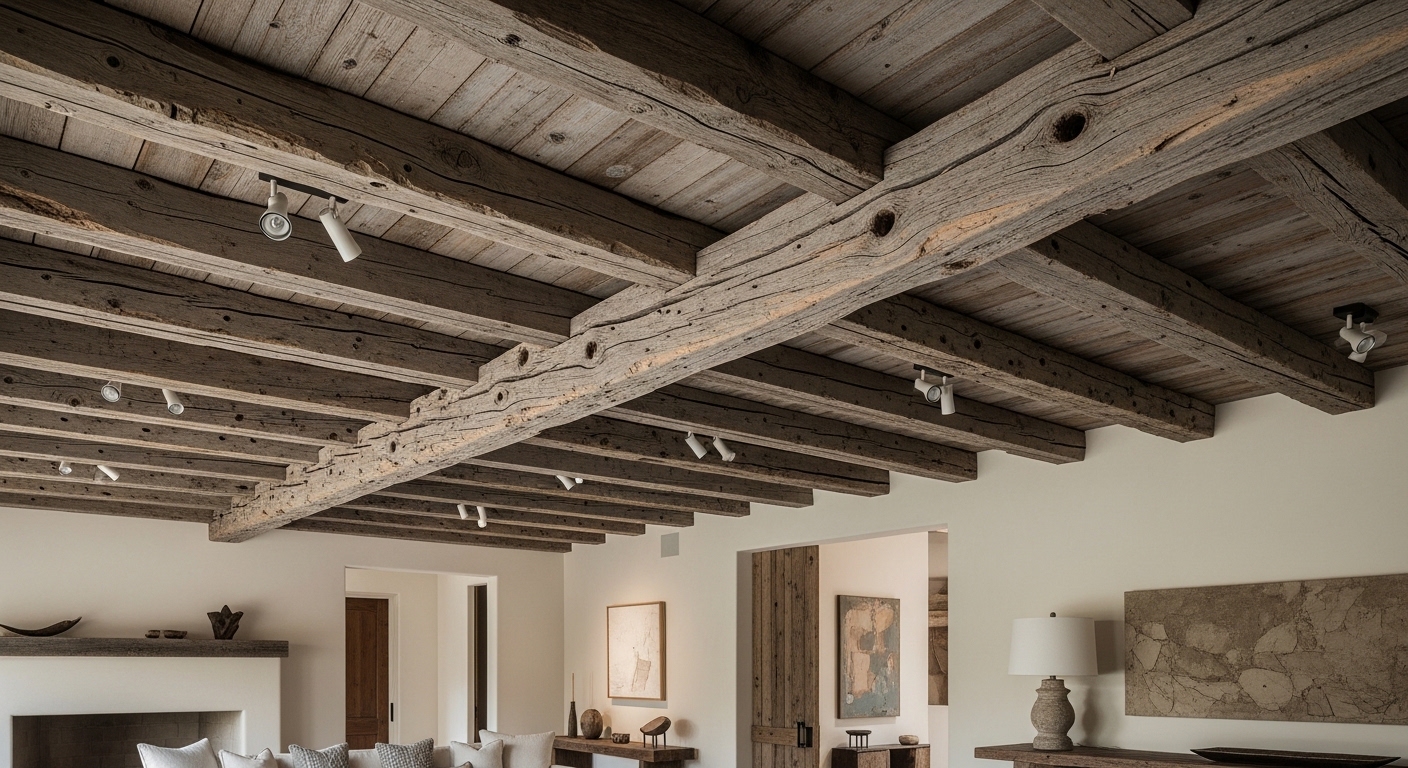
A coarse surface left close to its raw state, rough enough to catch a fingertip, as in old cracked timber beams (source, opens in a new tab).
Split stone and rough-sawn wood
Stone split, scorched or hammered rough, timber left rough from the saw or saved from old buildings, concrete marked by its wooden molds or pitted, the faces of beams shaped by hand.
Shine a light along it from the side and the shadows are hard and broken, so its age and material show and the room looks solid and earthy.
Wabi-Sabi · Desert Modern
Sheen
How much does the surface shine: barely, softly, or with a clear reflection?
Not answered yetYour answerMatteSatinGlossMatte
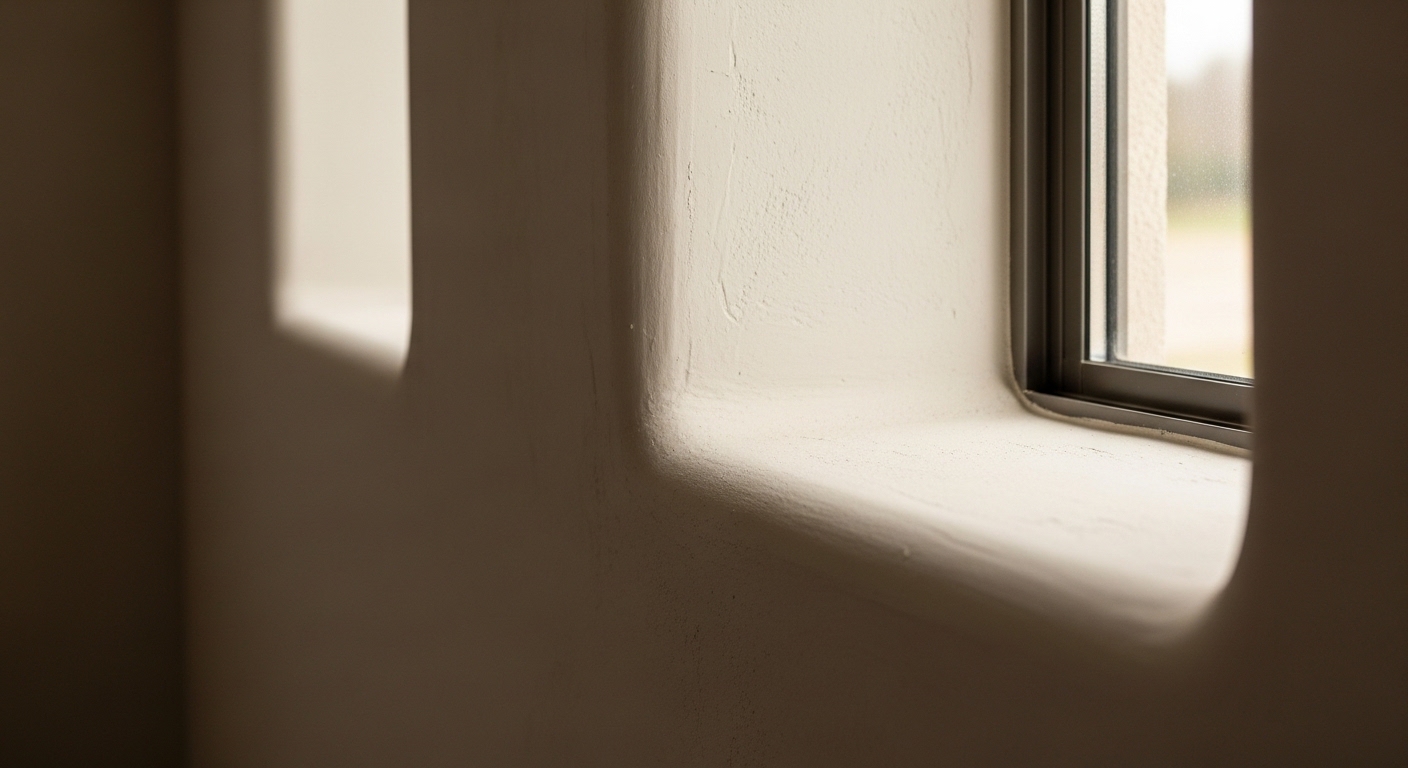
A surface that scatters light and shows no reflection, as in sunlight spreading across a flat plaster wall.
Limewash, suede and bouclé
Limewash, a chalky lime paint, granite roughened by flame, suede and nubby bouclé fabric, steel blasted with fine beads to a dull face.
Hold a phone’s light near it: you see a glow, never the light’s shape. A gloss meter (source, opens in a new tab), a tool that measures shine, reads under 10 units.
Organic Contemporary · Japandi · California Mediterranean · Coastal Contemporary · Wabi-Sabi · Desert Modern · Sensory Modernism
Satin
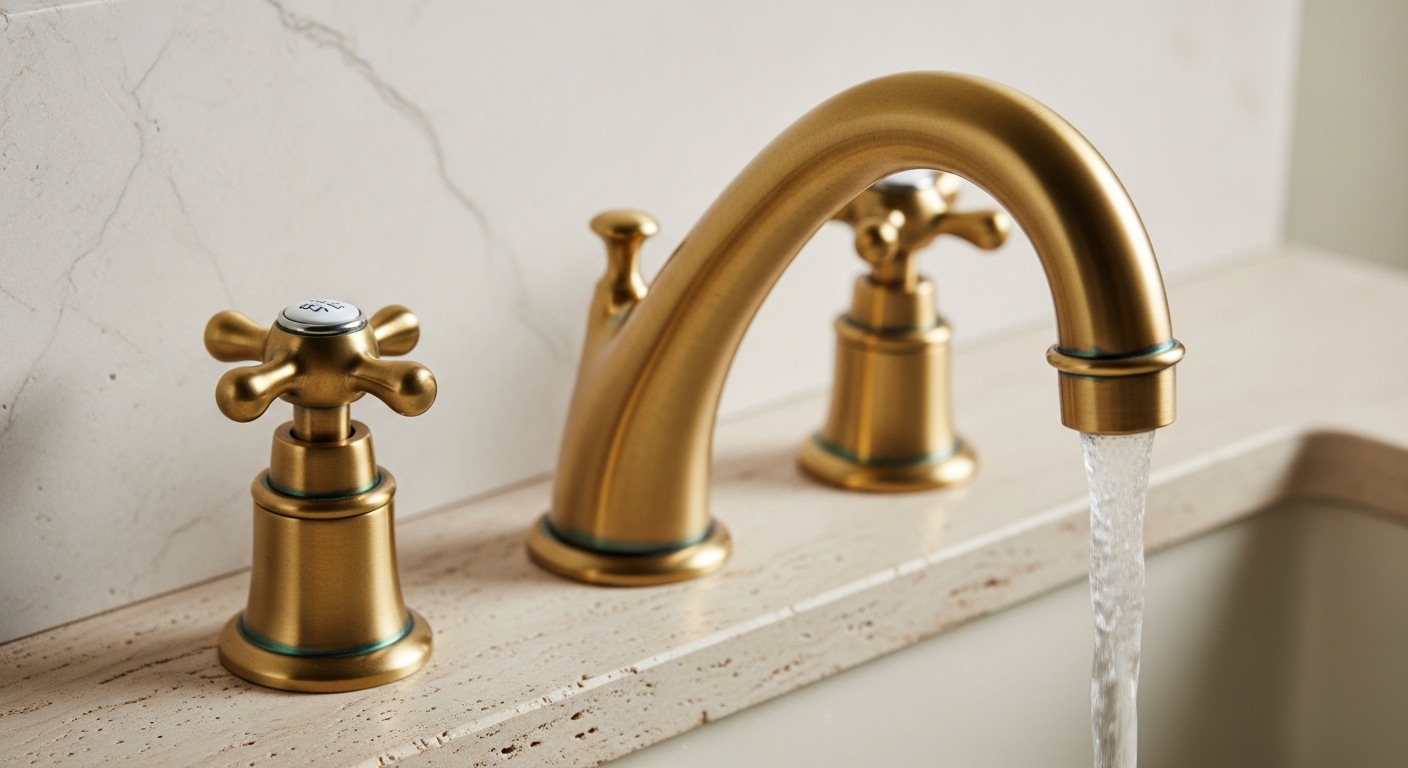
A surface with a soft, blurred glow and no clear reflection, as in a brushed brass tap.
Low-sheen paint and brushed nickel
Eggshell and satin paint, limestone ground smooth but not polished, satin lacquer, brushed nickel, silk.
A light shows on it as a soft patch with no sharp image; a gloss meter (source, opens in a new tab) reads it from 10 to under 35 units.
California Modernism · Transitional Classic · Mid-Century Modern · Axiom Modern
Gloss
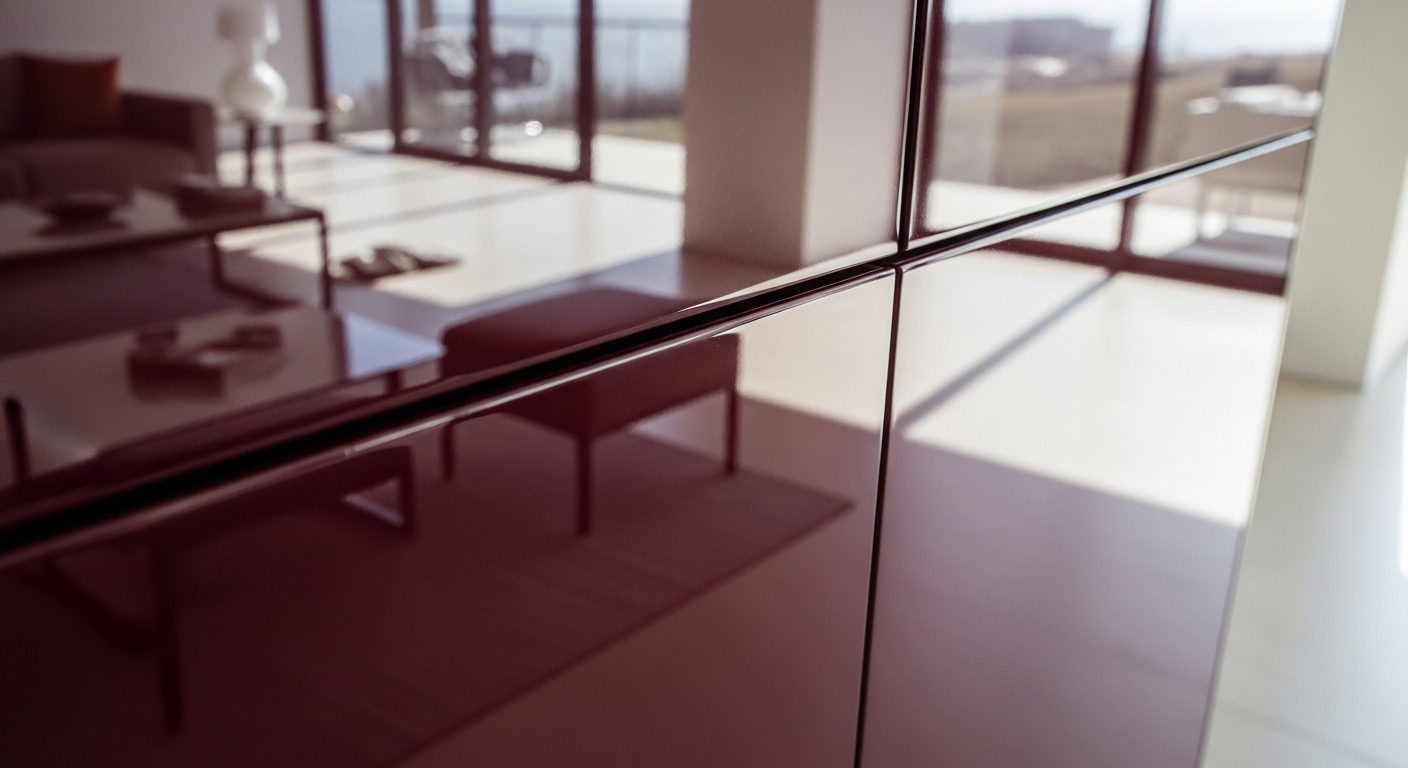
A surface that shows a reflected image of the room, as in red lacquered cabinets (source, opens in a new tab).
Lacquer, polished marble and glass
Semi-gloss and high-gloss lacquer, polished marble, polished chrome, glass, mirror.
A gloss meter reads it at 35 units or more; a paint sold as semi-gloss counts as Gloss only when the meter says so.
Hollywood Regency
Patina
How does the surface change over the years: hardly at all, slowly, or within months?
Not answered yetYour answerEnduringMellowingReactiveEnduring
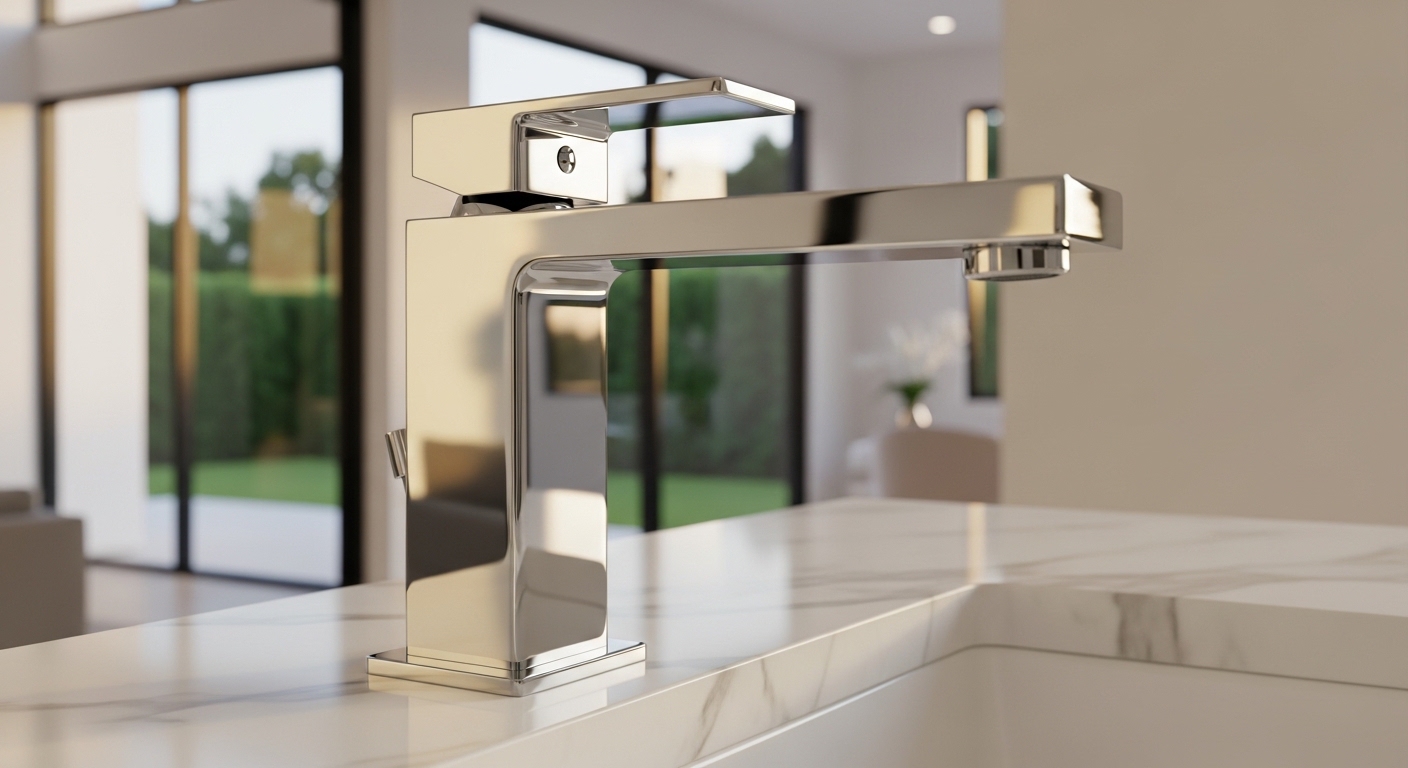
A surface that keeps its look for years with ordinary cleaning, as in a polished chrome tap (source, opens in a new tab).
Porcelain, glass and quartz
Porcelain, factory-made stone slabs, glass, brushed stainless steel, brass sealed under lacquer or a metal coating, quartz counters indoors.
If a surface needs oil, wax or a sealer to keep its look, it belongs with the next answer, Mellowing.
Transitional Classic · Hollywood Regency · Sensory Modernism · Axiom Modern
Mellowing
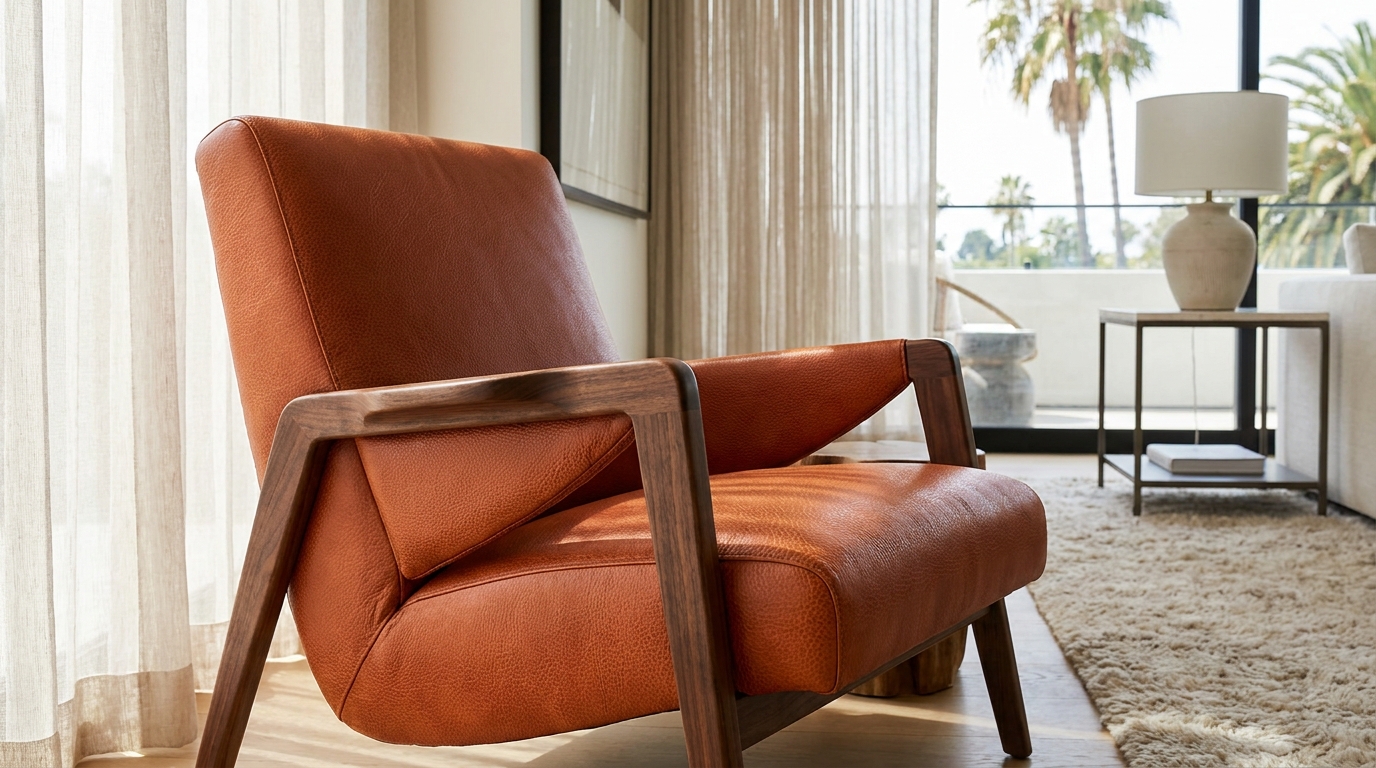
A surface that slowly deepens in color (source, opens in a new tab) and softens over its first years and can be refreshed where it stands, as in an armchair of uncoated leather.
Oiled oak, leather and terracotta
Oiled oak and cherry, limestone and travertine ground smooth, polished Moroccan lime plaster, leather dyed through and left uncoated, sealed terracotta tile.
Its color stays in the same family as it changes, and oil, wax or soap renews it; a metal that darkens and spots is Reactive.
Organic Contemporary · California Modernism · Japandi · California Mediterranean · Coastal Contemporary · Mid-Century Modern · Desert Modern
Reactive
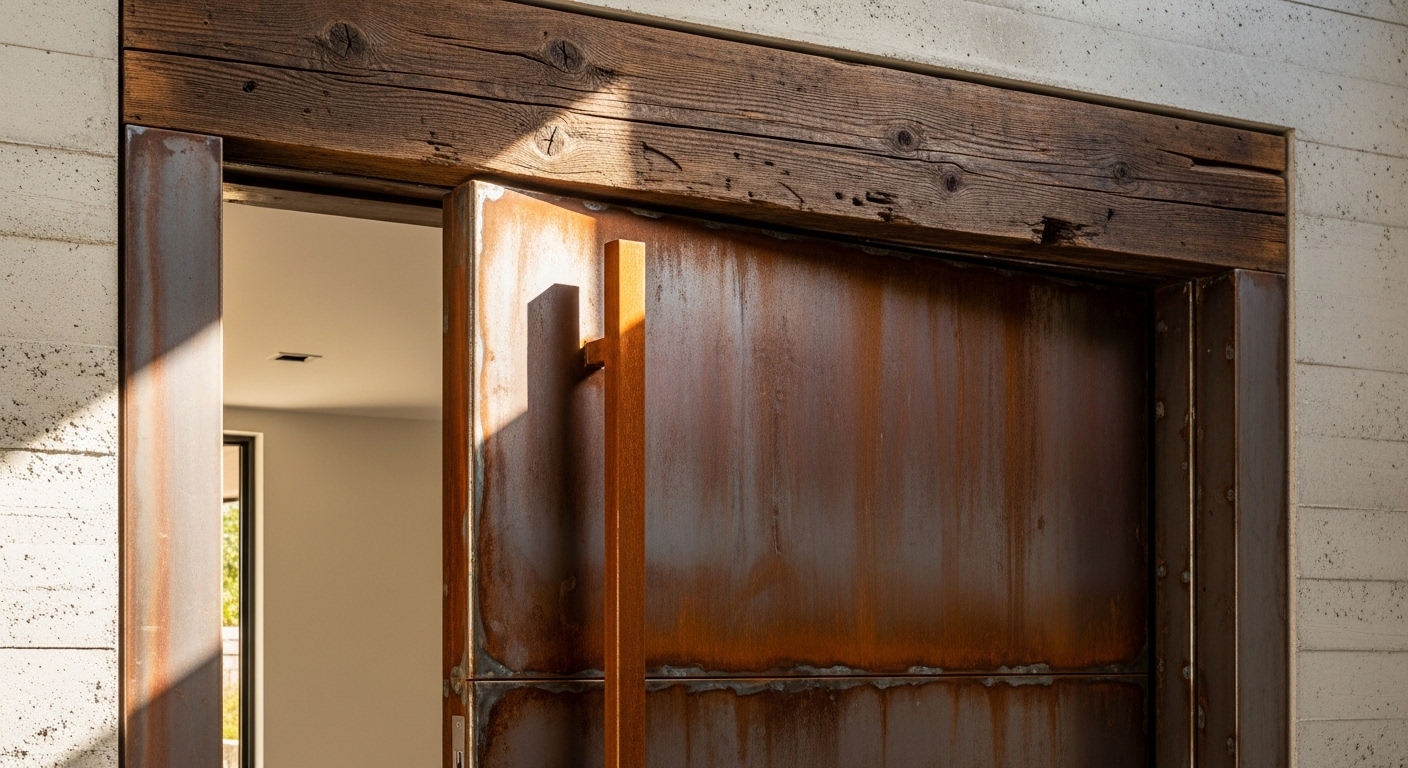
A surface that changes visibly within months when left unprotected, as in a bare steel door rusted orange and brown (source, opens in a new tab).
Unlacquered brass and copper
Brass with no lacquer, copper, zinc, steel made to rust to a protective brown.
It shows every fingerprint and drop of water, and can be polished back or left to darken; a protective coat makes it Enduring.
Wabi-Sabi
Your project’s surfaces
Answer all six questions to see how close your answers come to the firm’s styles.
Your answers point toYour answers come closest toOne of the firm’s styles matches all six of your answers.
Two of the firm’s styles match all six of your answers.
No style matches all six of your answers; this one matches {n} of them.
No style matches all six of your answers; these match {n} of them.
None of the firm’s styles matches more than two of your six answers. The styles are starting points; the firm can design any combination.
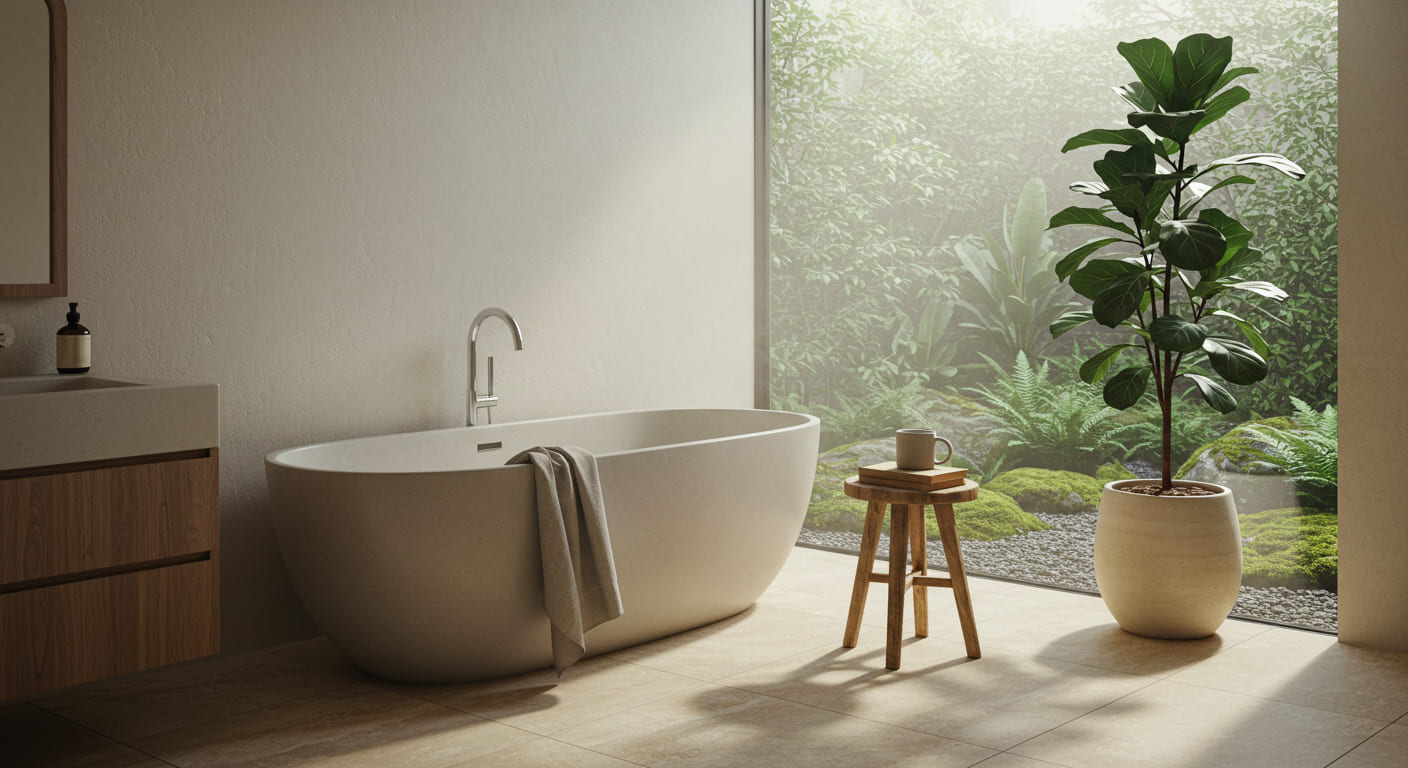

Organic Contemporary
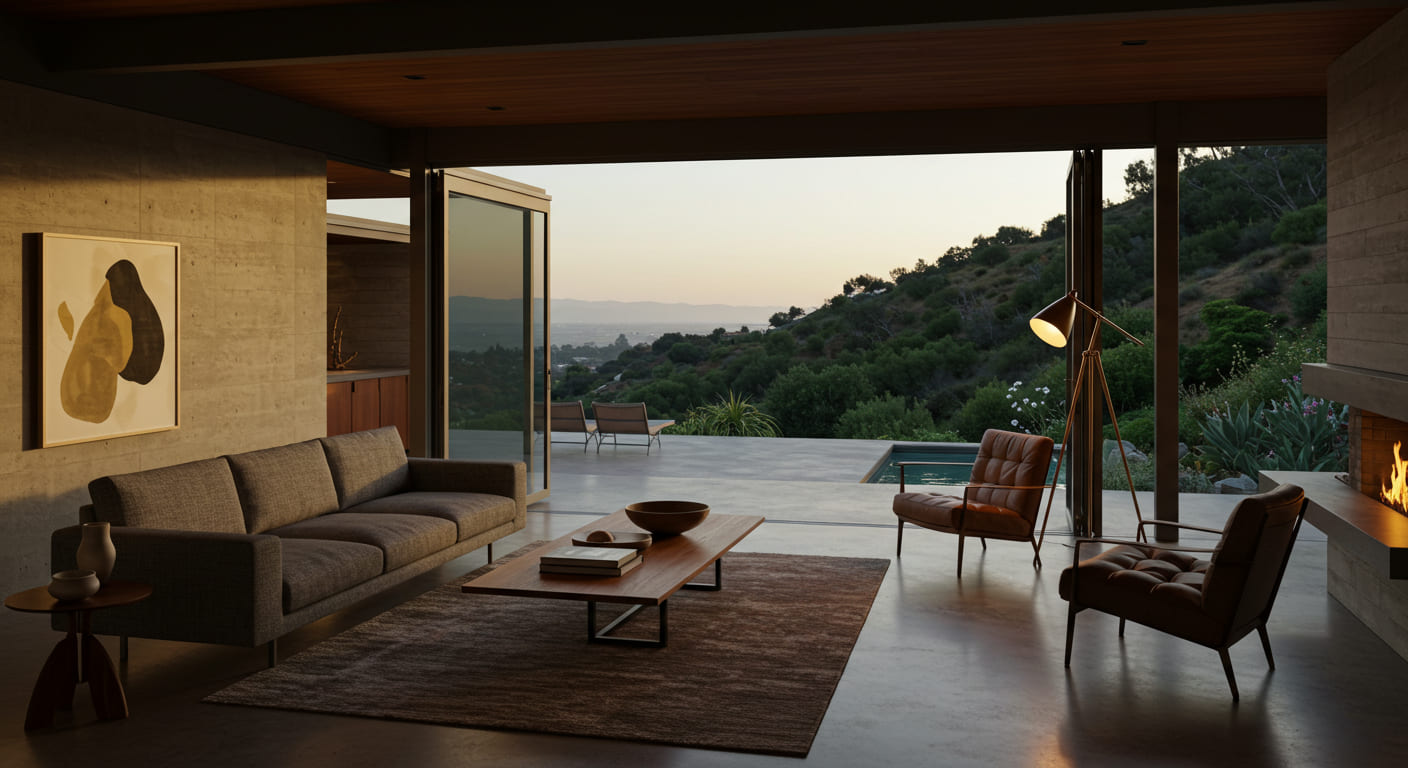

California Modernism
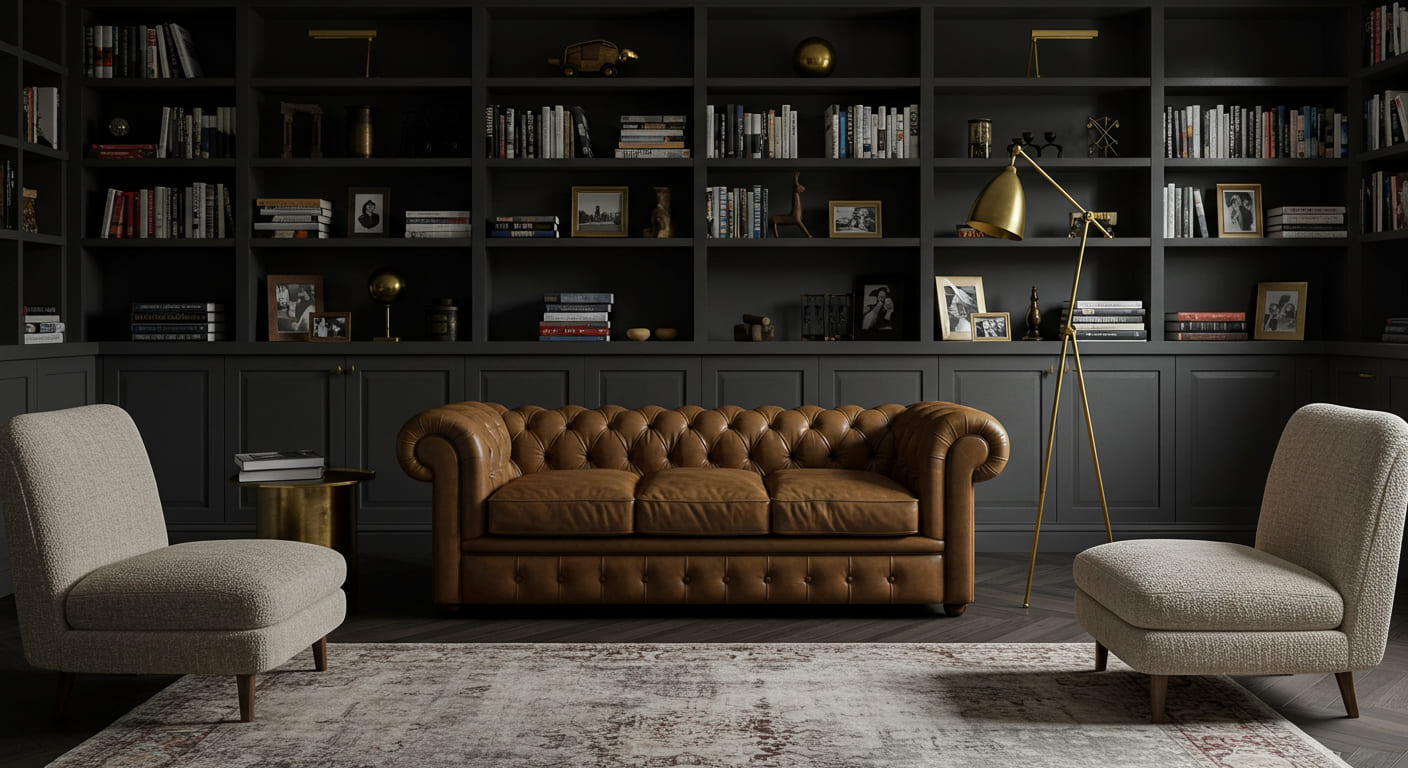

Transitional Classic
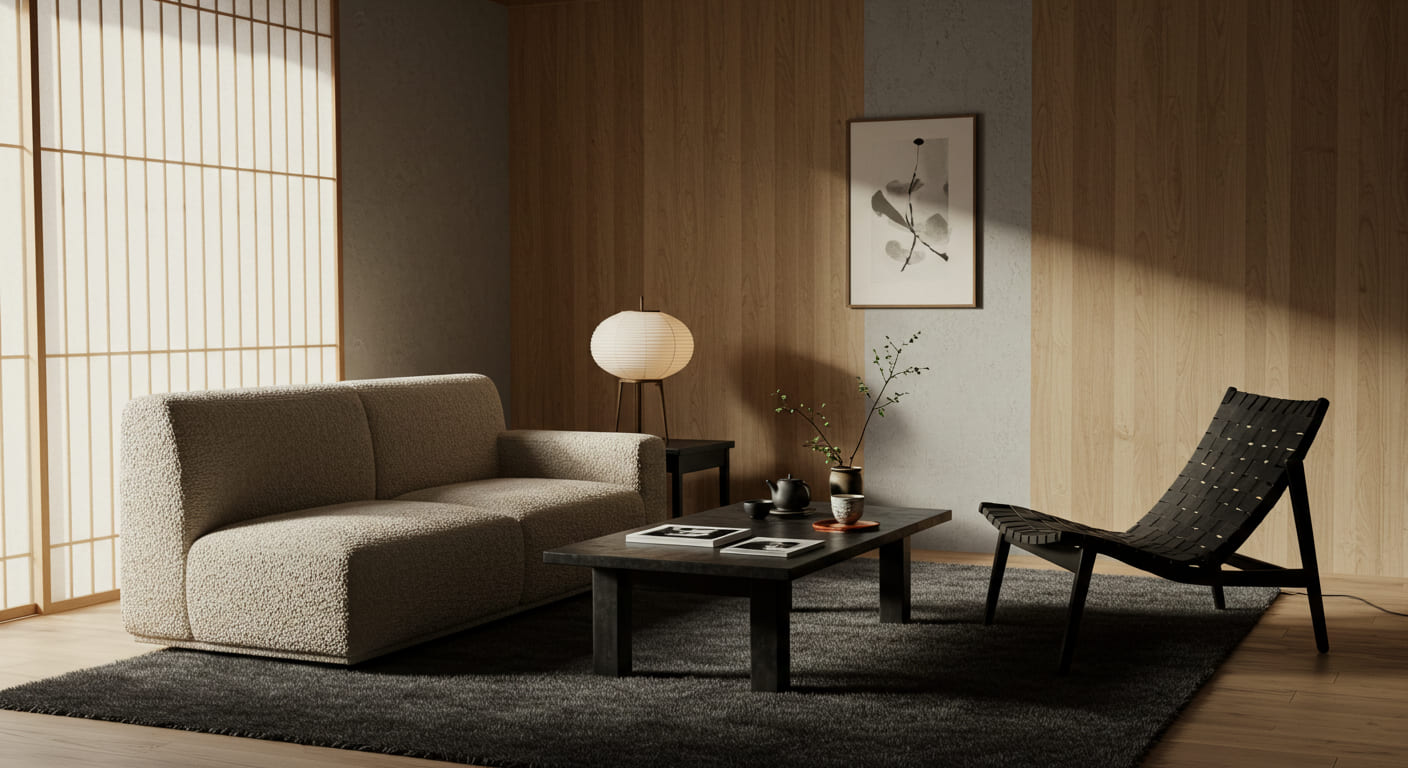

Japandi
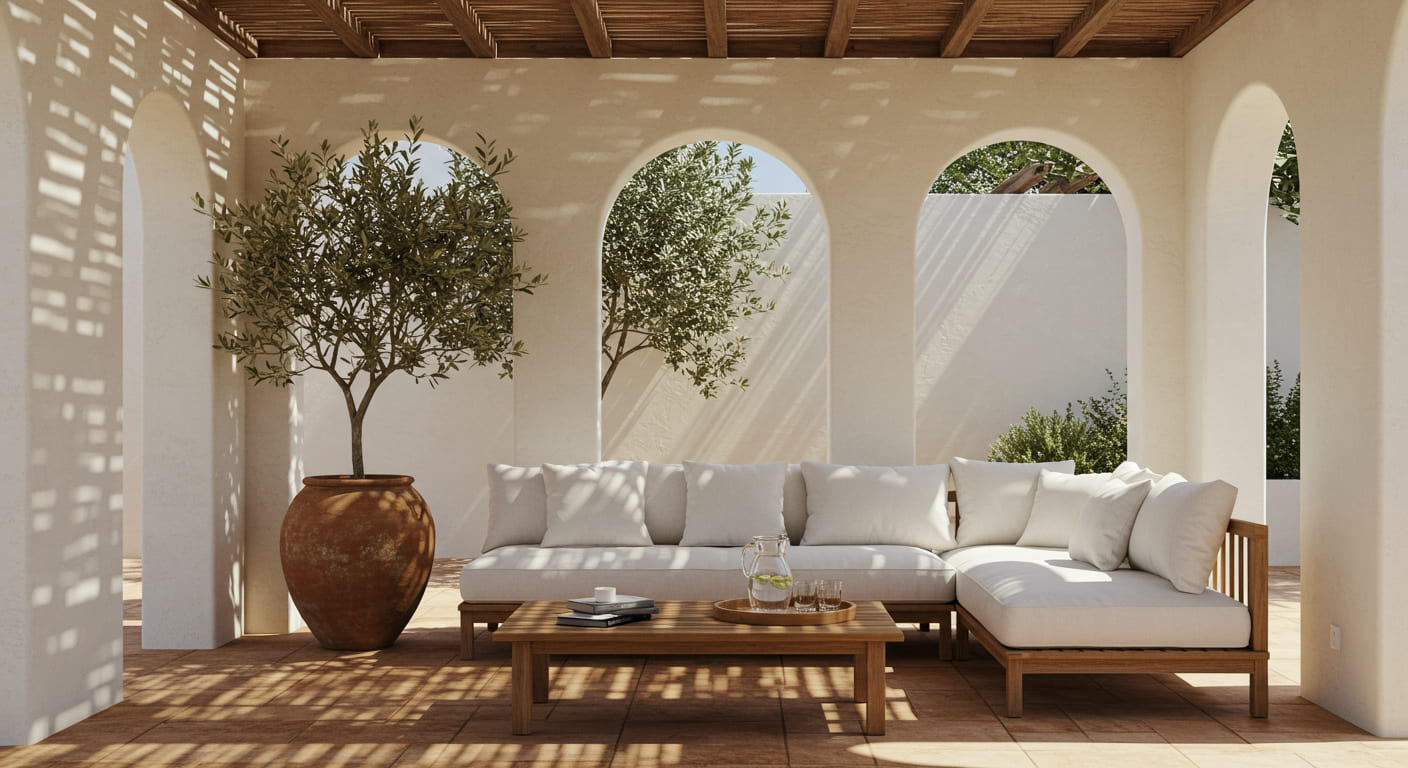

California Mediterranean
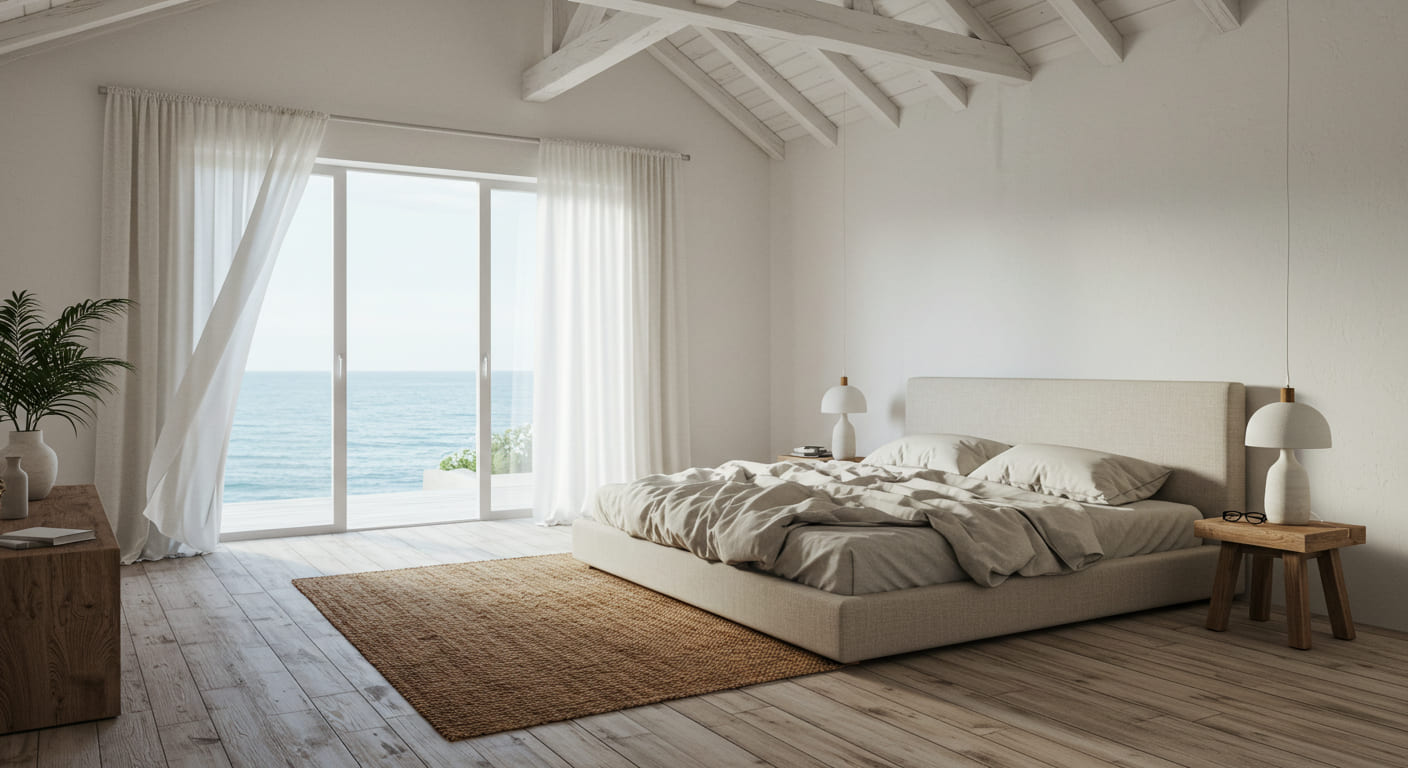

Coastal Contemporary
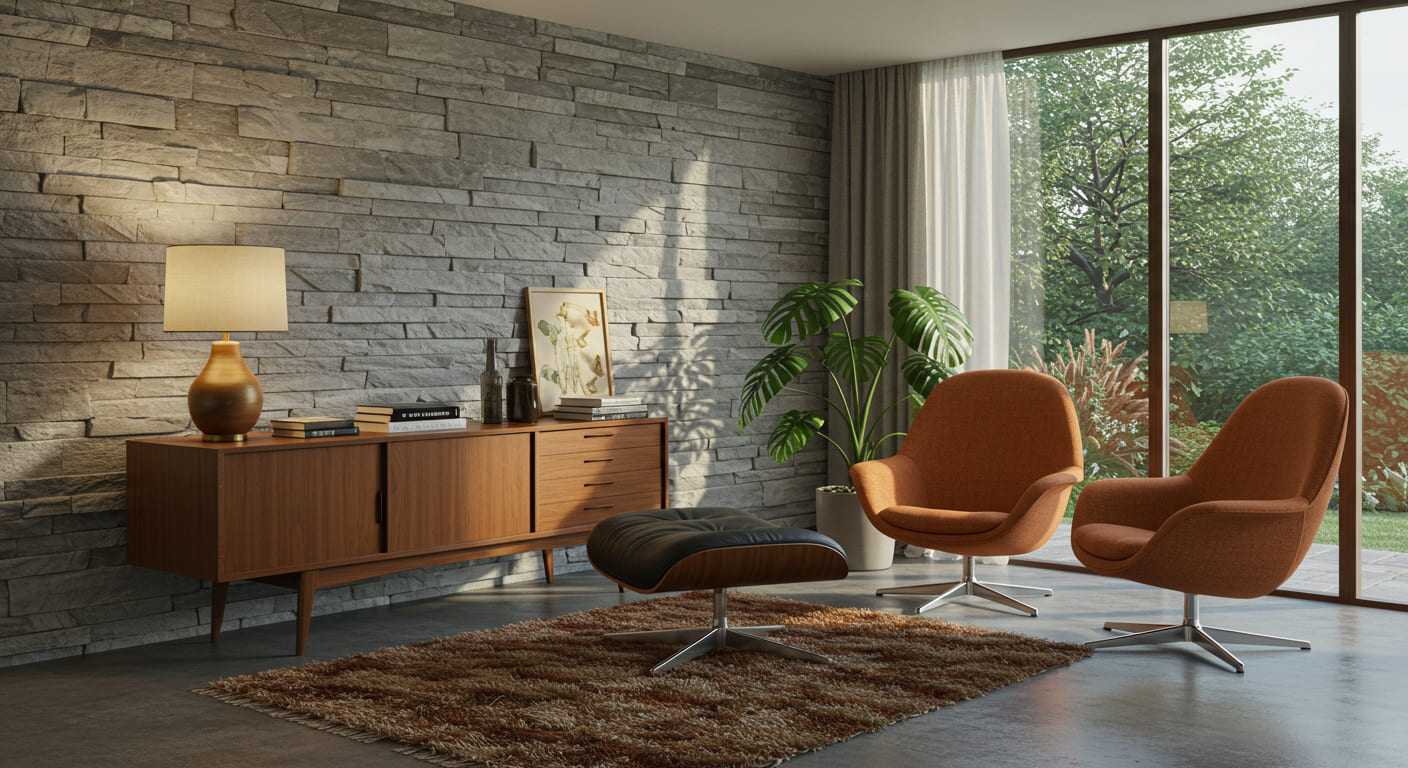

Mid-Century Modern
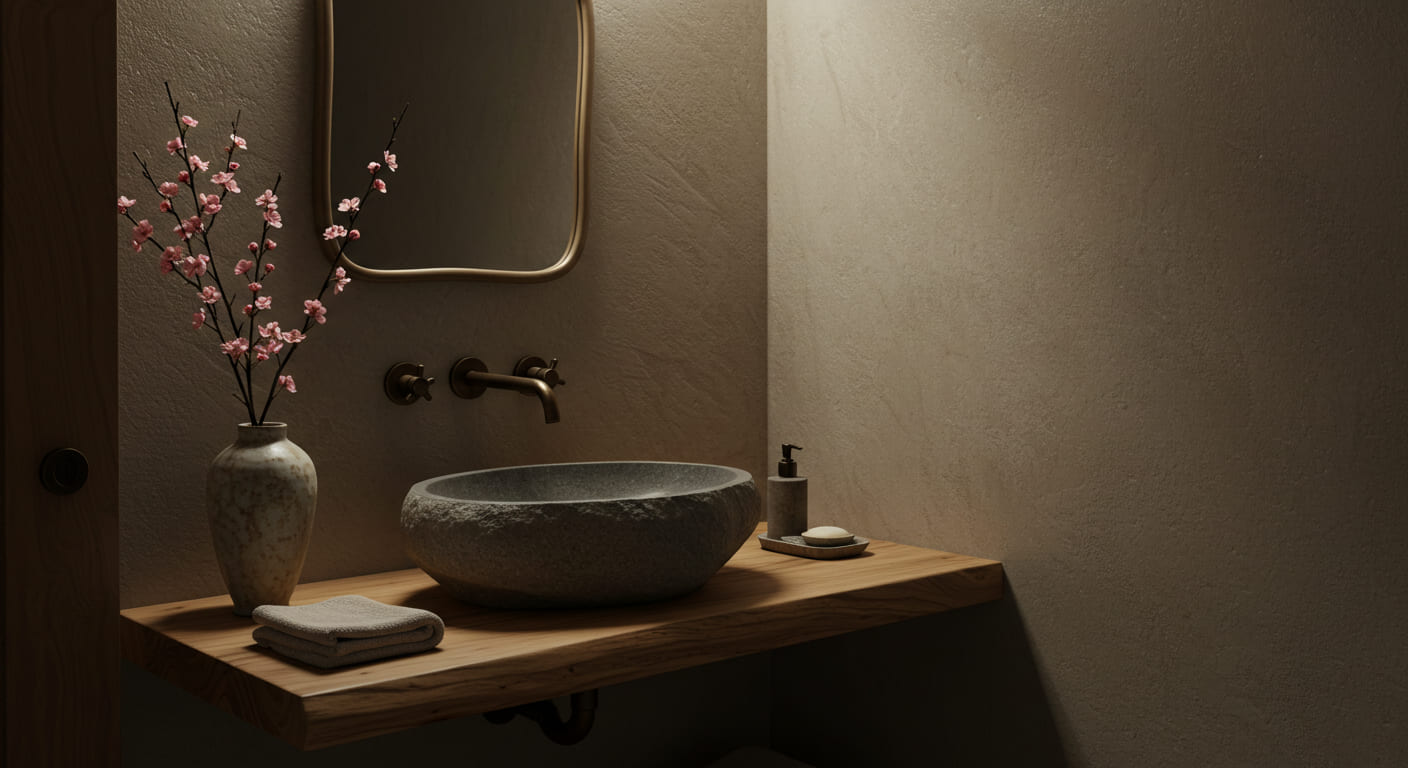

Wabi-Sabi
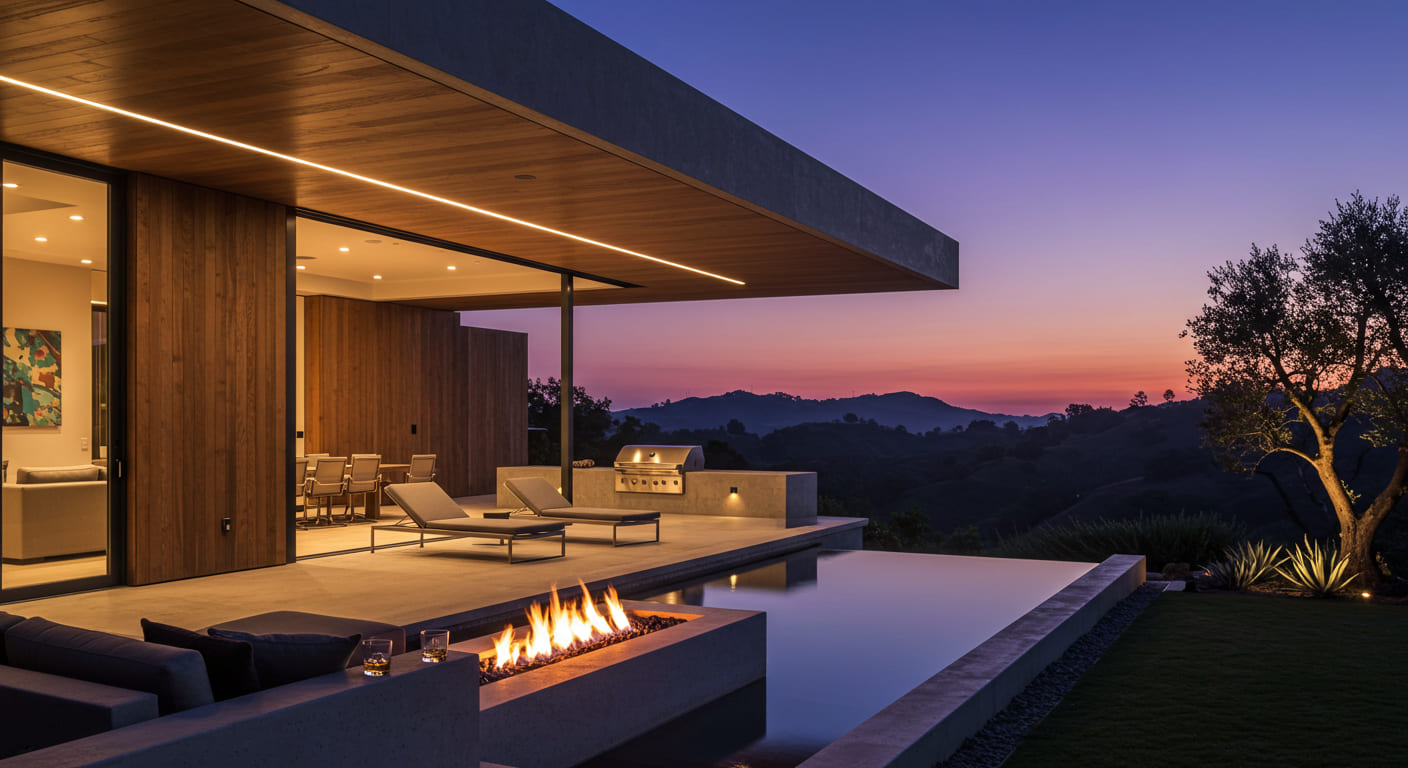

Desert Modern
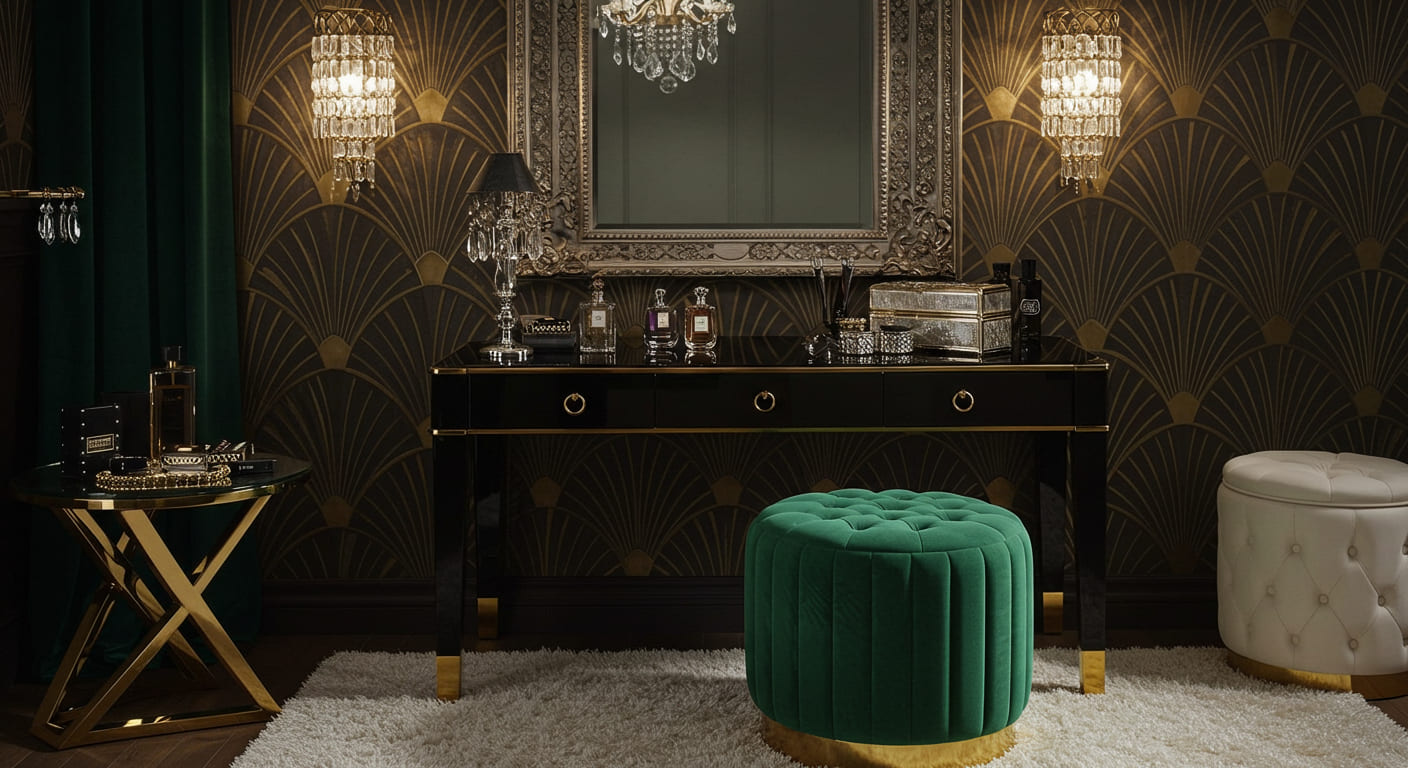

Hollywood Regency
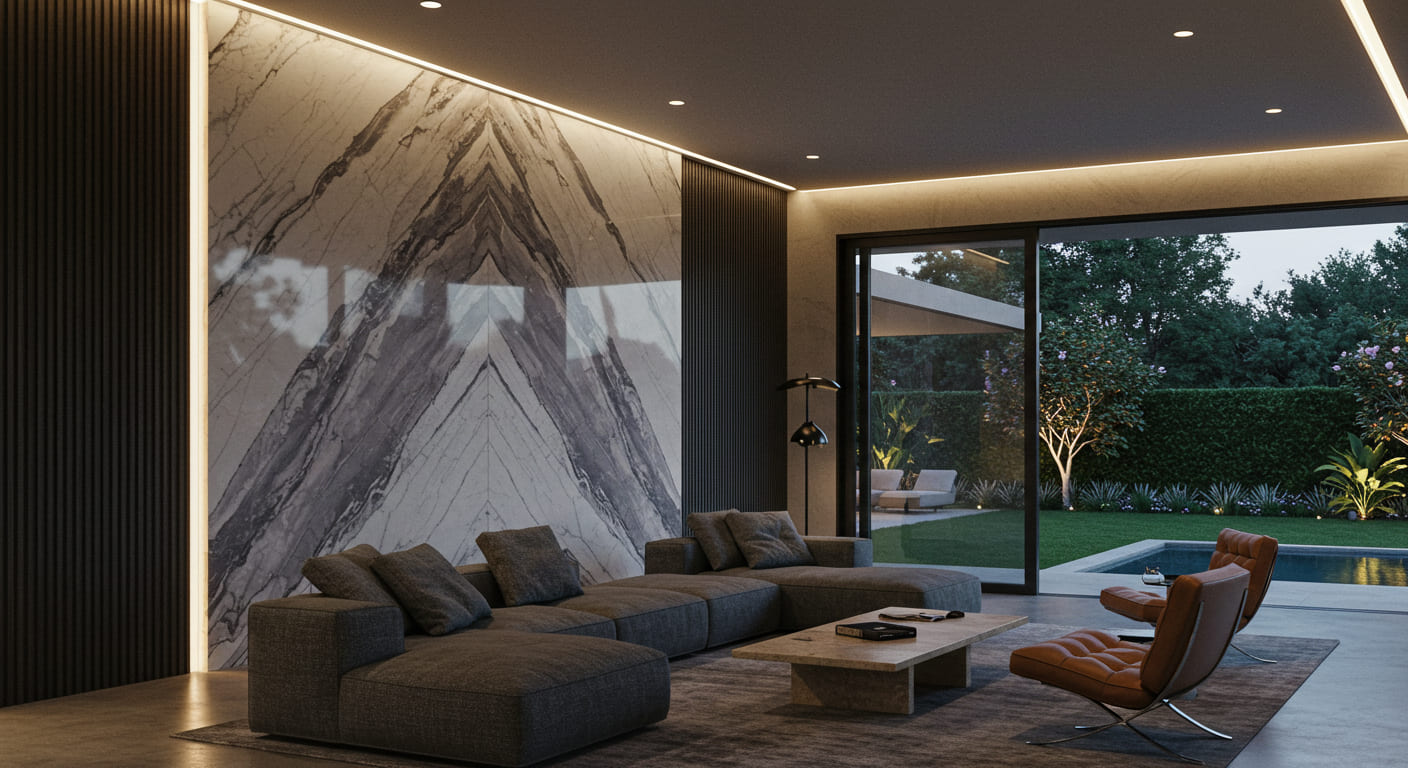

Sensory Modernism
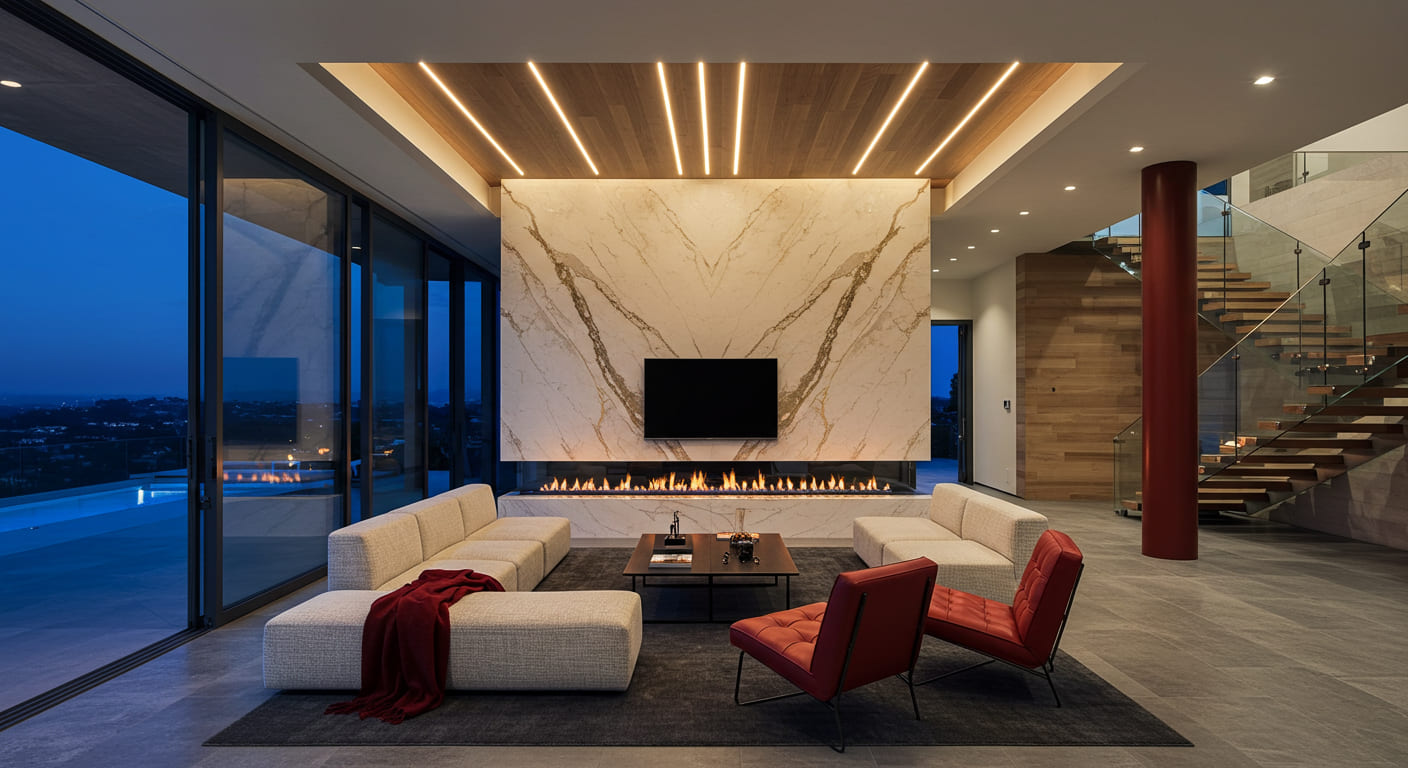

Axiom Modern
{k} more styles match as many:
One more style matches as many:
The firm answers these six questions for every surface in a home, and for every inspiration picture a client brings.

Intellectual property of Meridian Atelier
- The Studio
 Design Fundamentals
Pattern & Finish
Definition: Pattern & Finish, the second of the six principles in the firm’s Design Fundamentals, is the study of a surface: its pattern and its finish, which is its texture, its shine and the way it ages.


From principle to project
A commission puts this principle to work with the other five.
The Service Offerings explains how a commission runs, from the first conversation through design, documents and construction, and which services you can choose.
See the servicesWhere to go next
Each of the six principles has its own page, and this is the second.


Or go back

